Learn to impact patients’ lives through innovative clinical practice and quality care as a nursing major at Randolph-Macon (Ashland, Virginia). And you don’t need to wait to get started on your nursing education! With freshman direct entry into RMC’s CCNE-accredited Bachelor of Science in Nursing (BSN), you’ll begin nursing courses in your first year.

By your second year of nursing courses, you’ll begin hands-on learning in health assessment and skills labs. Over four years, you’ll get extensive clinical experience and work closely with nursing faculty committed to student learning and success, all while participating fully in Randolph-Macon’s dynamic campus life and taking courses across the arts and sciences.

Nursing up close In and Beyond the Nursing Classroom

Clinical Experience

Clinical rotations in healthcare facilities begin in your sophomore year, which lets you put your new knowledge skills into practice right away. RMC nursing majors complete 500 direct care hours, and have access to clinical learning opportunities in a variety of settings (adult, obstetrics, pediatrics, mental health, community) in some of the most reputable healthcare systems in the country including:

  • HCA Virginia
  • VCU Health
  • Bon Secours Health System

advising and mentorship

A maximum cohort of 40 students ensures small class sizes with team-based learning and realistic clinical cases to prepare students for clinical practice. Dedicated teachers with current practical experience, RMC nursing faculty weave together a personalized academic and clinical experience that promotes clinical decision-making and prepares you for licensure and your career as a nurse. 

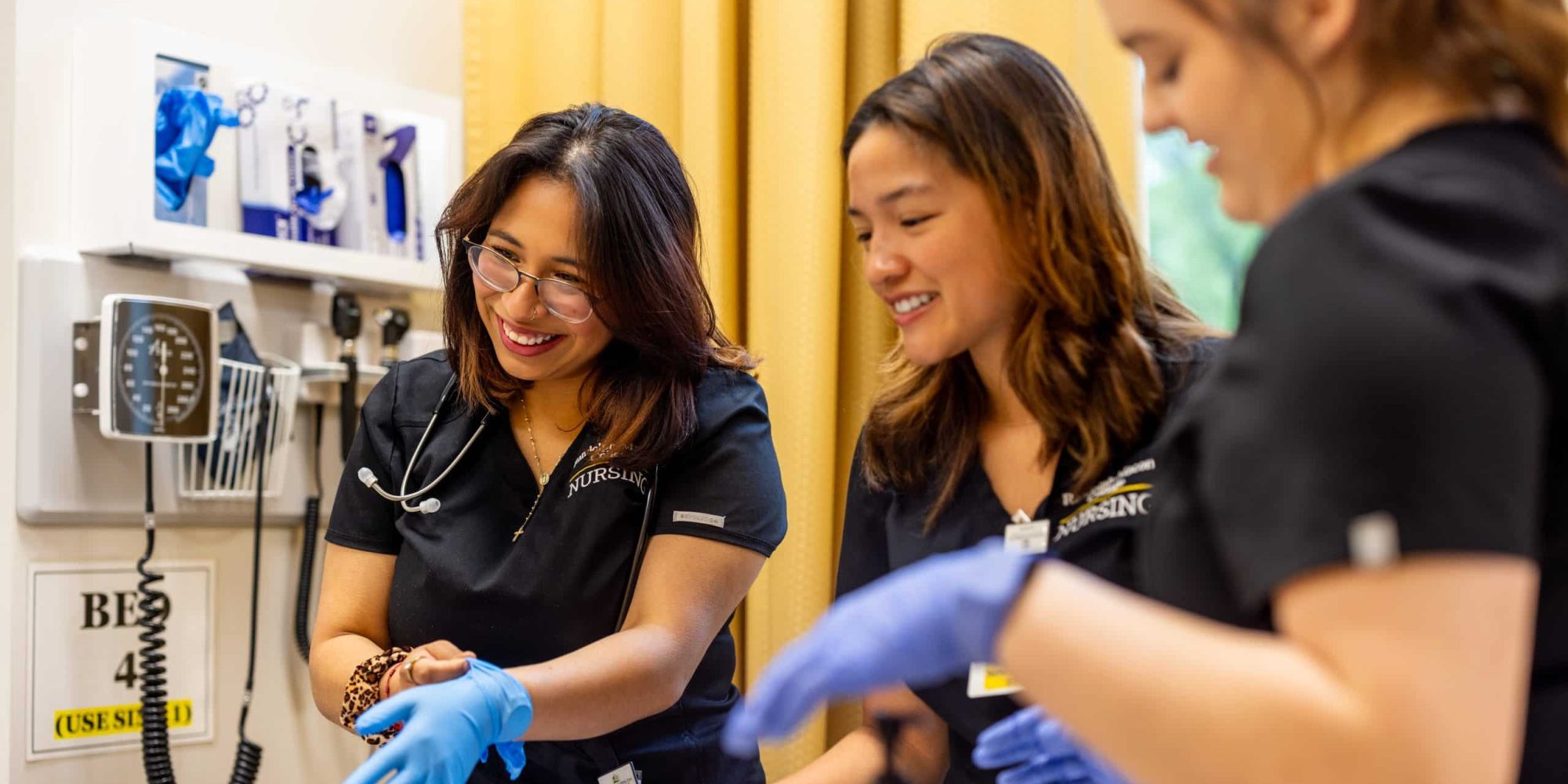
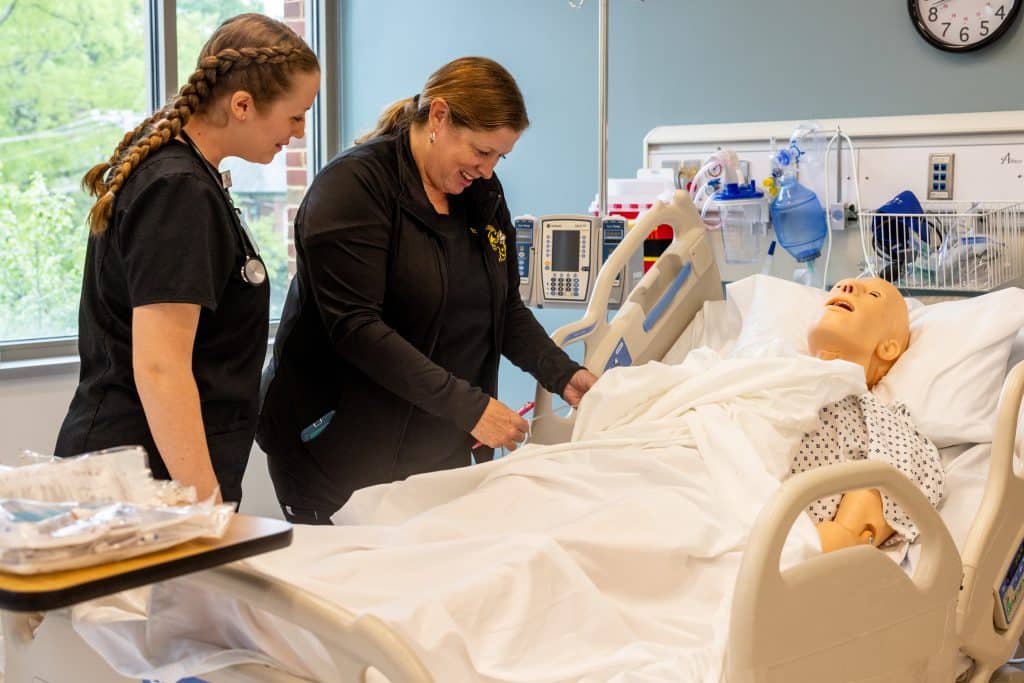
Nursing major Student with professor at bedside of medical mannequin in Payne Hall
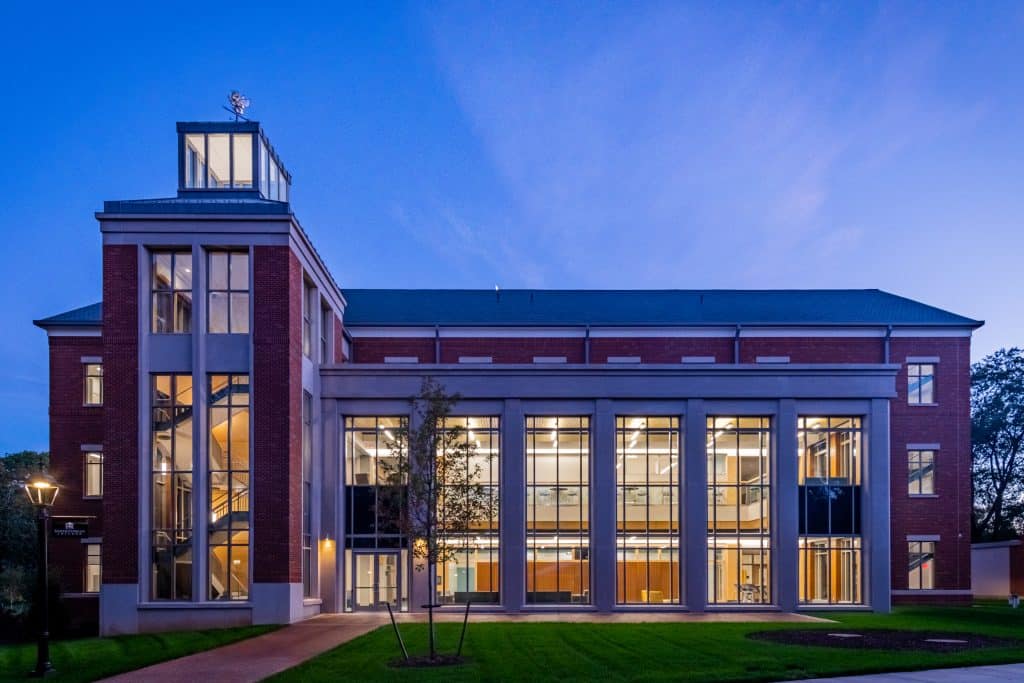
A night photo of Payne Hall, which is located on RMC's Virginia campus

facilities-at-a-GlaNCE

At RMC, nursing majors learn in a modern facility, Payne Hall, which opened for nursing education in 2021. The first 2 floors include:

  • Cutting-edge acute care simulation center, with adult, obstetrics, pediatric, and mental health inpatient care experiences
  • A studio apartment, simulating community-based care in a home setting
  • Debriefing rooms for post simulation and learning reflection
  • Realistic skills and health assessment labs
  • Student study spaces

We offer in-depth tours of our state-of-the art nursing facilities on Monday, Friday, or Saturday. (Sign up for a campus tour, and add on the special nursing tour.)

Admission to bsn Direct entry for freshman

freshman admission

To enter as a first-year BSN, students must be admitted to RMC and separately to the BSN program. An optional interview is recommended.

Because of high-demand, applicants must apply Early Decision (binding) or Early Action to the College, and both applications must be finalized by the BSN deadline.

BSN Application Deadline: December 10

Transferring to NURSING

If cohort space is available, the program will accept a limited number of transfer students into its first-year and sophomore cohorts.

Fall Transfer BSN Deadline: March 1
Spring Transfer BSN Deadline: November 1

Transfers from other institutions must be admitted to RMC and separately to the BSN program. Current RMC students can be considered as well.

  • 40
    the size of the RMC freshman nursing cohort
  • 0
    classes led by teaching assistants
Three nursing students with gloves standing near a bedside

Nursing in full Courses You Won’t Want to Miss

(A very small sample)

NURS 340

Epidemiology and Population Health

Learn about emerging health concerns due to infectious disease, as well as natural and man-made disasters that affect populations. Examine health disparities, vulnerability, social determinants of health, social justice, and moral agency through an ecological lens. 

NURS 420

Psychiatric and Mental Health Nursing

Learn about nursing care for managing clients with psychiatric and mental health conditions. Through a holistic, person-centered approach, you will learn about the health teaching, promotion, health restoration and maintenance needs of individuals with mental health and psychiatric conditions. 

NUIP 115

Nursing Profession & Health Systems

Explore the history of the nursing profession and development of nursing knowledge. Learn about the current U.S. healthcare system, trends in health care delivery, the health of the nation, and examine professional nursing practice through ethical, legal, racial, cultural, social, and political perspectives. 

Opportunities Worth Grabbing

Popular activities and programs among nursing majors
A group of people, including nursing students and professors, stand in front of the red torii gate at Itsukushima Shrine, Japan, on a cloudy day with a mountainous background.

RMC Student nursing association

a chapter of the Virginia Student Nurses Association and the National Student Nursing Association

Nursing students are fully engaged in the RMC community, including participating in:

Buzzworthy The latest from RMC Nursing

News Story categories: Nursing Academics Faculty

Director of RMC Nursing Department Honored by Virginia Nurses Foundation

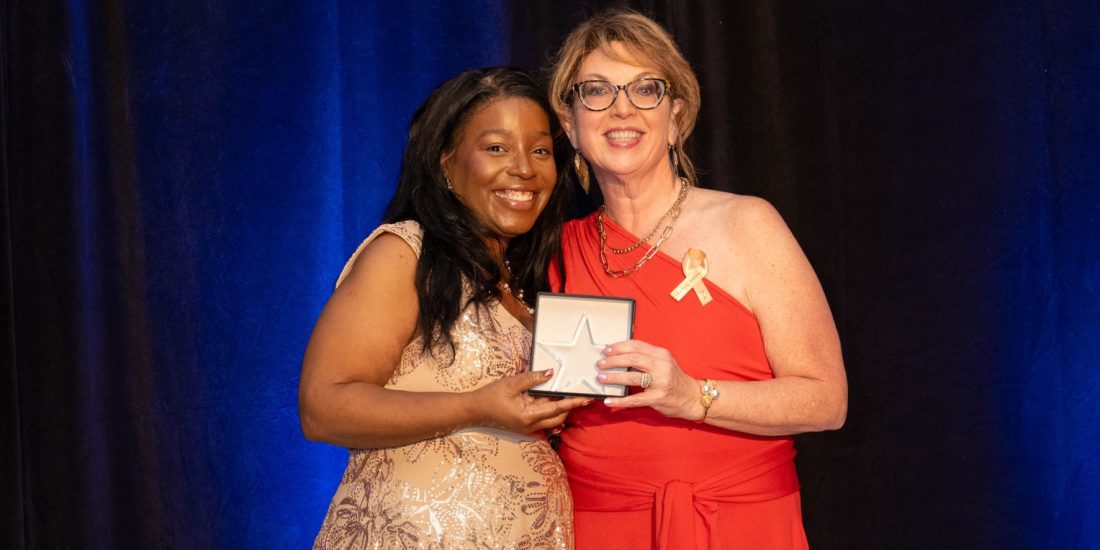
The Virginia Nurses Foundation honored Dr. Cindy Rubenstein with a Leadership Excellence Award at its annual VNF Gala.

Two people stand together on stage; one holds an award. A dark curtain and blue lighting are visible in the background.
News Story categories: Nursing Academics Alumni Stories

Giving Full Circle

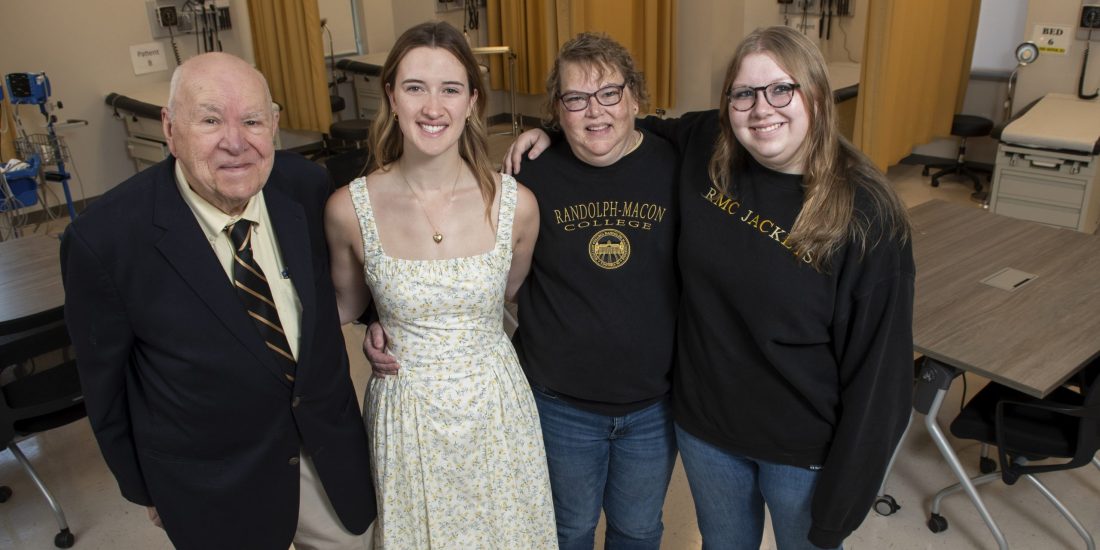
Dean Kesler ’62 felt the full benefits of a gift to RMC Nursing when his daughter received expert care from Via Zipp ’24, helping to forge a cross-generation bond.

Four people stand together in a medical classroom setting, smiling at the camera.
News Story categories: Nursing Academics Career Preparation

Nursing Students Form Community Connections Through SOAR365 Clinical

RMC Nursing students collaborated with the SOAR365 Adult Day Support program as part of their Population Health Immersion course.

A group, including RMC Nursing students and SOAR365 participants, participates in outdoor arts and crafts activities at tables, including painting and working with beads and supplies.
Loading…

Frequently Asked Questions: Nursing

What is a BSN (Bachelor of Science in Nursing)?
BSN stands for Bachelor of Science in Nursing, an undergraduate degree that offers a comprehensive nursing education in clinical skills, theoretical nursing concepts, public health, leadership, and research. Graduates of BSN programs are eligible to apply to the Virginia State Board of Nursing for RN (registered nurse) licensure and to take the NCLEX-RN© exam, which is required for licensure as a Registered Nurse (RN). The BSN sequence at RMC consists of a Nursing major plus additional BSN-specific and general college requirement courses. Students are admitted as direct entry and begin their first nursing course in the first year at RMC. Students complete five total semesters of clinical experiences caring for patients, beginning in their second year of the BSN program. Our nursing program is accredited by the Commission on Collegiate Nursing Education (CCNE). If you are interested in applying as a high school senior, visit our admission page.
What is the difference between an RN and a BSN?

RN (Registered Nurse) is a professional designation signifying that a nurse has passed the NCLEX-RN© licensing exam and meets the state requirements for nursing practice. A BSN (Bachelor of Science in Nursing), on the other hand, is an academic degree rather than a professional license.

While all BSN graduates are eligible to become RNs through state licensure and passing the NCLEX-RN© exam, not all RNs hold a BSN. Some RNs may have entered the profession through diploma or associate’s degree programs. In comparison, a BSN represents a higher level of education that includes more in-depth training in areas such as public health, research, management, and leadership. A BSN also serves as a foundation for pursuing advanced nursing degrees, such as nurse practitioner or Ph.D., often leading to higher salaries and broader career opportunities.

Do you need a bachelor’s degree to become a nurse?

A bachelor’s degree in nursing (BSN) is an increasingly important requirement to hospitals and healthcare providers. In fact, the American Association of Colleges of Nursing published that 72% of hiring organizations strongly prefer baccalaureate-prepared nurses when considering candidates.

While all registered nurses (RNs) are required to pass the same NCLEX-RN© licensing exam, nurses who have earned a Bachelor of Science in Nursing (BSN) have an advantage due to the degree’s comprehensive curriculum and focus on leadership, critical thinking, and advanced clinical skills—and they often earn higher salaries as a result. In the final clinical course during their last semester of courses at RMC, students are paired with a practicing RN and complete over 150 hours under the guidance of their preceptor and working a ‘traditional’ nurse’s schedule. What’s more, research has shown that healthcare settings with higher percentages of BSN-prepared nurses often see improved patient outcomes, including reduced mortality and readmission rates, as well as shorter lengths of stay.

RMC focuses on a curriculum that pairs classroom learning with practical experiences. The final clinical course of the curriculum, during a student’s final semester, pairs students with a practicing RN to complete over 150 hours of patient care, working a traditional nurse’s schedule.

How long does it take to become a nurse?

The Bachelor of Science in Nursing, or BSN, is a four-year degree program. In this time, students learn through a mixture of classroom, laboratory, and clinical coursework (including 500 direct patient care hours). The RMC program has only 40 seats per cohort, providing a student-centered learning experience and individualized career mentoring by nursing faculty. The program has a 100% employment rate of graduates post-graduation.

Transfer applicants who meet specific requirements may be considered to join our BSN program’s sophomore cohort. Visit our BSN Transfer Admissions page for additional information.

Randolph-Macon College’s BSN program prepares graduates for eligibility to apply to the Virginia Board of Nursing for registered nurse (RN) licensure and to take the NCLEX-RN©, a national licensure exam for registered nurses. RMC’s program is innovation with an individualized NCLEX coaching model that begins in a student’s final semester, and continues after graduation to support their preparation for succes on the NCLEX. Licensure qualifications vary by state. Review our licensure disclosure for all 50 states, the District of Columbia, and U.S. territories.