Learning that goes beyond the classroom is a cornerstone of a Randolph-Macon education. Here, you’ll get high-impact experiences that put you in the middle of the action.

You’ll apply the knowledge from your courses to real-world situations, tied to your future goals. That kind of experiential learning makes Yellow Jackets problem solvers: making connections across disciplines and taking on complex challenges.
100% of Randolph-Macon Students complete a hands-on learning experience.

Whether it’s an internship, a travel course led by a professor, or research conducted with a faculty mentor, 100% of students participate in a hands-on learning experience before they graduate. It’s a requirement of the curriculum because we believe in its power. The connections you’ll make, with the subject matter and with faculty, will open the doors to your future success.

Berkleytown Park to Feature Stories Gathered by History Students

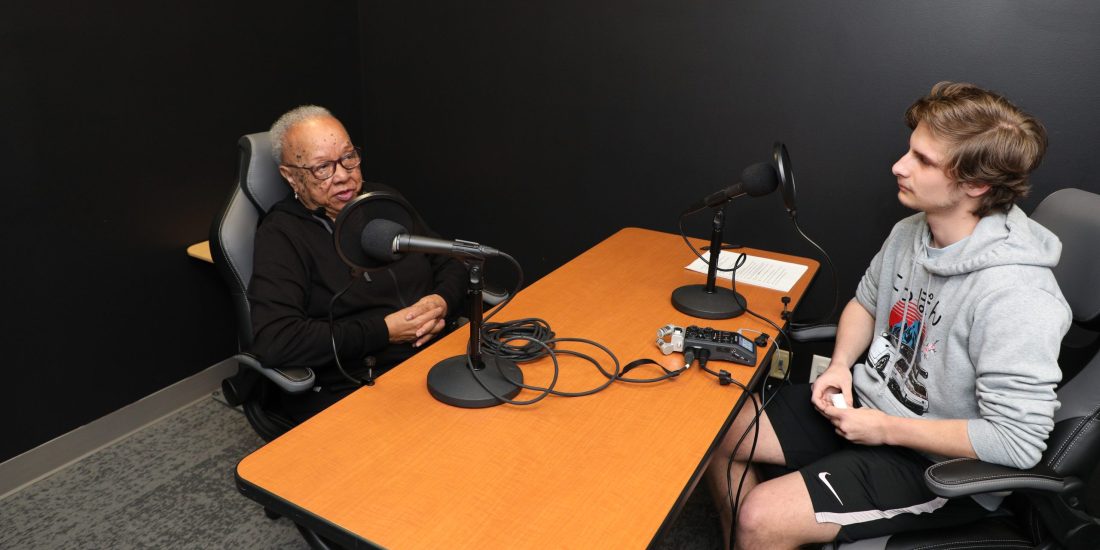
Students in Dr. Donelle Boose’s Introduction to Public History course conducted oral history interviews with residents of Berkleytown, which now serve as a cornerstone of a Town of Ashland heritage park.

Two people sitting at a table with microphones, engaged in a conversation, in a dimly lit room.
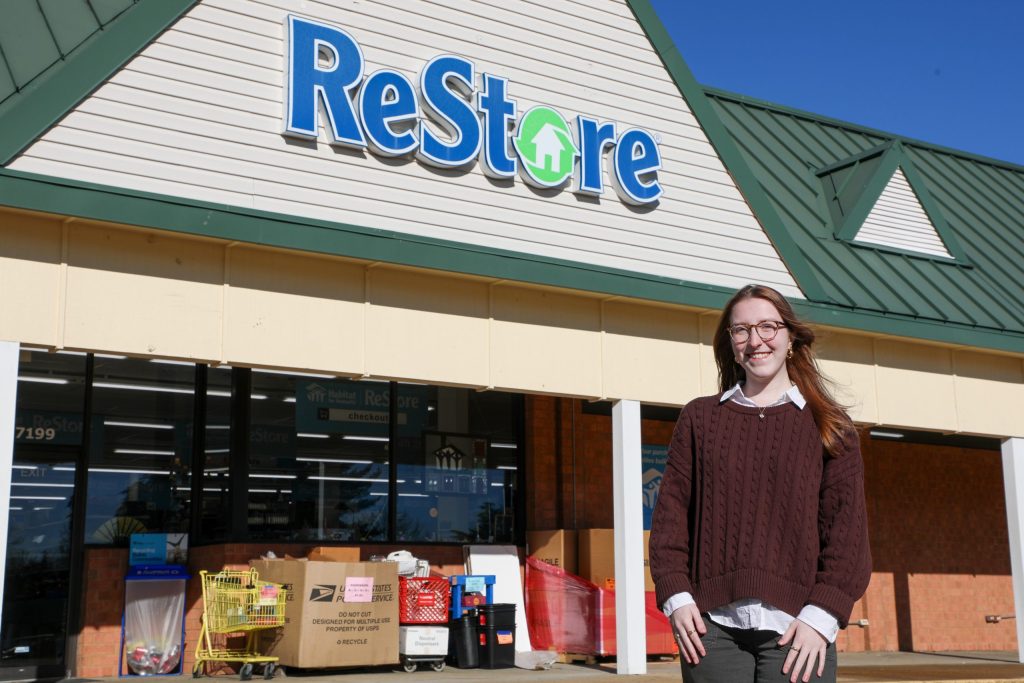
A young woman stands outside a ReStore retail building with shopping carts and donation items near the entrance.
Meredith Grey ’26 interned at the Hanover and King William affiliate of Habitat for Humanity during J-Term. From writing policy memos to maintaining social media accounts, her experience both sharpened her professional skills and had an impact on the local community.

experience in your field

Internships are a great way to connect your area of study to your future career by getting hands-on work experience. Every semester finds RMC students completing internships–for credit or pay, or sometimes both–at a wide range of workplaces. Some impressive examples include:

  • Deloitte
  • U.S. House of Representatives
  • NASA
  • Science Museum of Virginia
  • Genworth Financial
  • Maymont…and so many more!

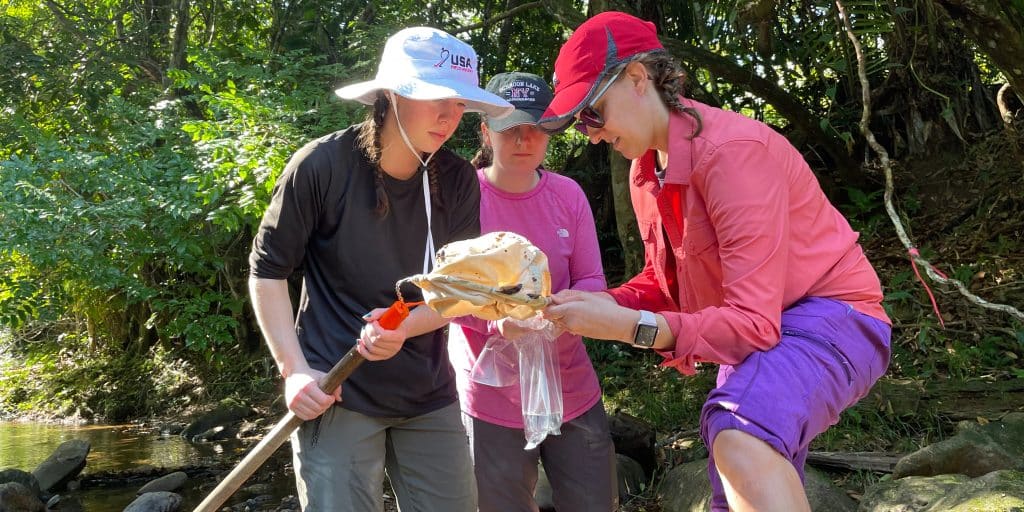
Randolph-Macon is a place to ask big questions and then seek out the answers. Conduct original research while getting one-on-one mentorship from faculty, then publish your findings in a journal or present them at a conference—opportunities typically reserved for grad students at other schools.

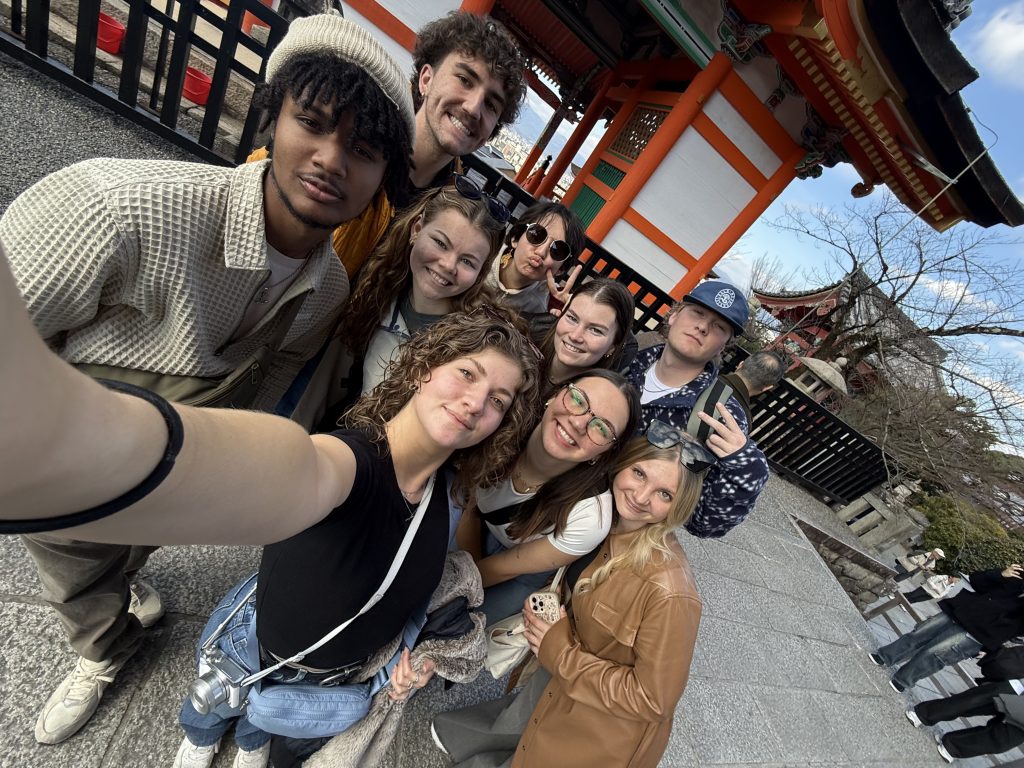
A group of students takes a selfie while visiting a Japanese shrine

learning abroad

Whether it’s a semester abroad or a January Term travel course, studying abroad is an opportunity to immerse yourself in a new culture while getting up close to your course’s subject. RMC study abroad courses go all over the globe, from Belize to Paris, from Tunisia to Japan, and so many locations in between.

j-Term is for learning What’s a J-Term?

(We’re so glad you asked!)
Professor Stephanie Coster working with Emily Allen ’24 and Anna Stribling ’24 on a biomonitoring project in a stream during a J-Term biology trip to Belize

Affectionately called “J-Term” on campus, January term is our 20-day mini-mester between fall and spring semester. This abbreviated (and optional) semester is the perfect size for students to immerse themselves in an experience. It’s a time when students commonly travel abroad, complete an internship, or take an intensive study course. And it’s included in your tuition!