






Save the collective history of humankind, recover the voices and stories of underrepresented populations, and preserve the narratives of global civilization with an archaeology degree. Get your hands dirty by participating in important archaeological excavations in the Commonwealth of Virginia and around the world. Connect your finds with information about past environments to discover the history, customs, and living habits of people across time. An interdisciplinary program, the archaeology major and minor prepare you for a variety of careers in field archaeology, museum studies, archaeological law, teaching and research, historical tourism, non-profit organizations and work safeguarding the rights of indigenous populations.

Major/Minor Archaeology
archaeology
up close In and Beyond the Classroom

global education
Since the mid-1980s, Randolph-Macon Archaeology students have participated in ongoing archaeological excavations around the world. In the summer of 2024, scholars joined Dr. Nadhira Hill ’16 for excavations in Pella, the birthplace of Alexander the Great in Greece. There, students work alongside researchers from across the globe to excavate and analyze artifacts such as pottery, coins, tools, and ruins of buildings. Their time abroad was supposed by the John Camp and Elizabeth Fisher Endowed Fund for International Travel.
hands-on learning
The study of archaeology is necessarily both theoretical and practical. At RMC, students take part in rigorous, interdisciplinary classroom learning and directly apply new knowledge through hands-on research and field work experience. Many credit their time excavating alongside faculty and students as pivotal to their futures. They work at relevant sites around the world and contributing to archaeological discoveries in Hanover County including Patrick Henry’s Scotchtown, Hanover Courthouse, Hanover Tavern, and Signal Hill Plantation.
advising and mentorship
Archaeology is teamwork. At RMC, this means lots of interaction with fellow students and lots of one-on-one support from caring faculty in the Department of Classical Studies who work closely with you while conducting field work and supporting you with original research opportunities that give you the competitive edge for future graduate school study and careers.
-
8,000new archaeology positions are needed in the next decade
-
550BCthe year King Nabonidus of Ancient Mesopotamia led the world’s first archaeological excavations
-
The 1and ONLY bachelor’s degree in Archaeological Studies in the Commonwealth of Virginia
aRCHAEOLOGY
in full Courses You Won’t Want to Miss
(A very small sample)
Arth 210
Origins of civilization
How do we define civilization? Why is civilization important to humans? What is the role of the arts in defining a civilization? Study the development of early cultures and “civilizations” and compare the definitions of civilization and the processes by which a civilization develops and wanes.
ARCH 320
Archaeology, Art, and Cultural Heritage Ethics and Laws
Who owns the past? Who should profit from archaeological discoveries? Who should interpret the past of a culture or group of people? Learn the current international and U.S. laws that govern historic preservation, cultural resource management, archaeology, and commerce in antiquities.
ARCH 221
Archaeological Methods and Theory
Learn the theory and methods of archaeology including the responsibilities of the archaeologist, stewardship of cultural remains, and research design. Practice specific tasks in a laboratory and field setting including site identification, survey, excavation, and artifact conservation. Study applied sciences such as archaeological chemistry, bioarchaeology, geoarchaeology, and analyze artifacts for the purposes of determining dates and provenance.
From Here To What you can do with an Archaeology degree from RMC
Tori Harrison ‘13
Secretary of Interior Archaeologist and Historic Preservation Specialist
FEMA
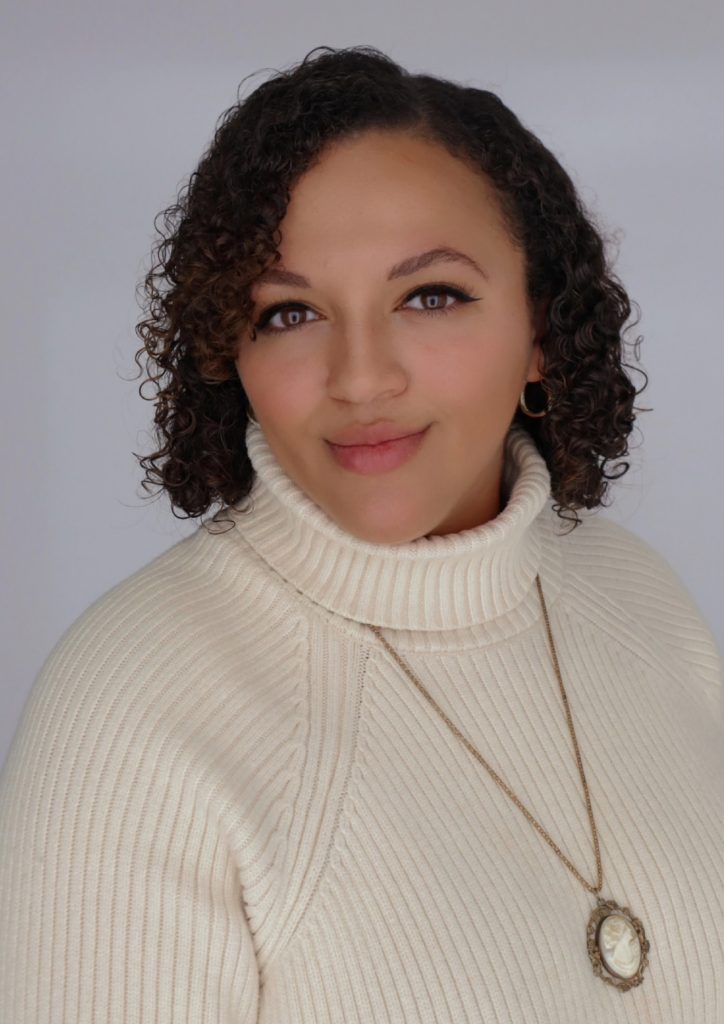
“During my time at RMC, my mentors, peers, and unique experiences excavating in the Athenian Agora and Hanover Tavern nurtured my love of discovery, encouraging curiosity and critical thinking that have been invaluable in my career as an archaeologist. I cherish the opportunities and tutelage I was provided during my four years, and credit the lessons learned to my tenacity and continued love for archaeology and historic preservation.”
Neecole Gregory ‘18
Director
Morton Museum of Collierville History
“Being a Yellow Jacket isn’t just a point of pride—it’s been the foundation of my personal and professional growth. My professors knew me by name, offered mentorship that went far beyond the classroom, and remain a source of guidance to this day. In our close-knit community, every dig, lecture, and late-night study session felt like a shared adventure. The archaeology faculty went above and beyond, ensuring I had the opportunities, resources, and support I needed, turning college—from a first-generation student’s challenge—into an incredible time of discovery and growth.”
Caitlin Delmas ‘17
Archaeologist
Jamestown Rediscovery Foundation
Nadhira Hill ‘16
Assistant Professor of Classics
Randolph-Macon College
Ashley Snead ’19
Customer Operations Specialist
Monzo Bank
Isabella Meier ‘20
Archives and Special Collections Librarian
University of Lynchburg
Buzzworthy The Latest From RMC Archaeology
News Story categories: Archaeology
Academics
Classics
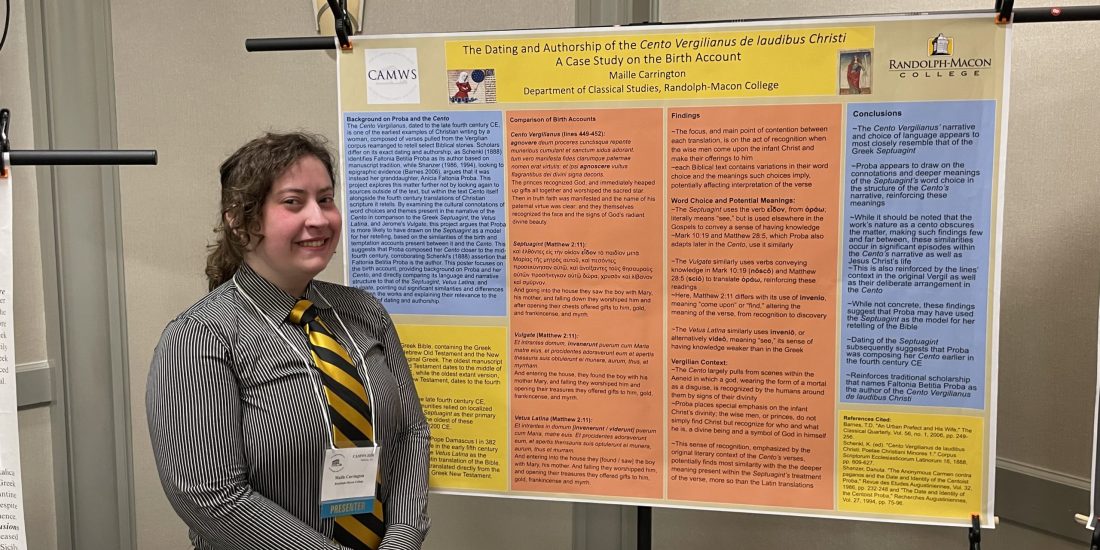
Students Bring National Spotlight to RMC Classics at Major Meeting of Classical Association
Three students and one alumna presented original research, while two students were recognized with scholarships at the Annual Meeting of the Classical Association of the Middle West and South.
News Story categories: Archaeology
Academics
Alumni Stories
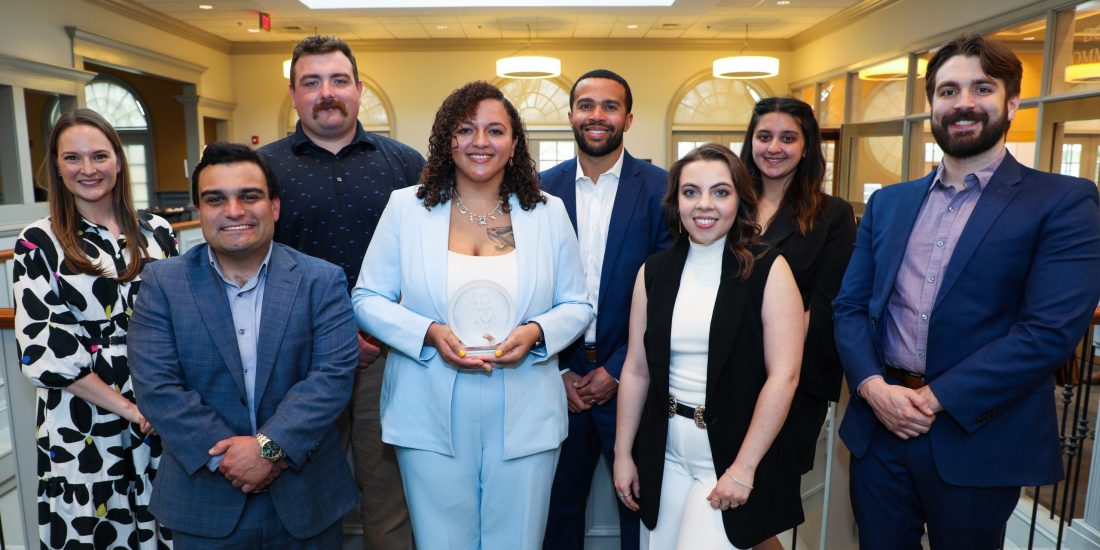
RMC Celebrates 2026 Class of 10 Under 10 Awardees
The 10 honorees, who all graduated in the last 10 years, have established themselves as pillars in their communities and leaders in their professions.
News Story categories: Archaeology
Academics
Faculty
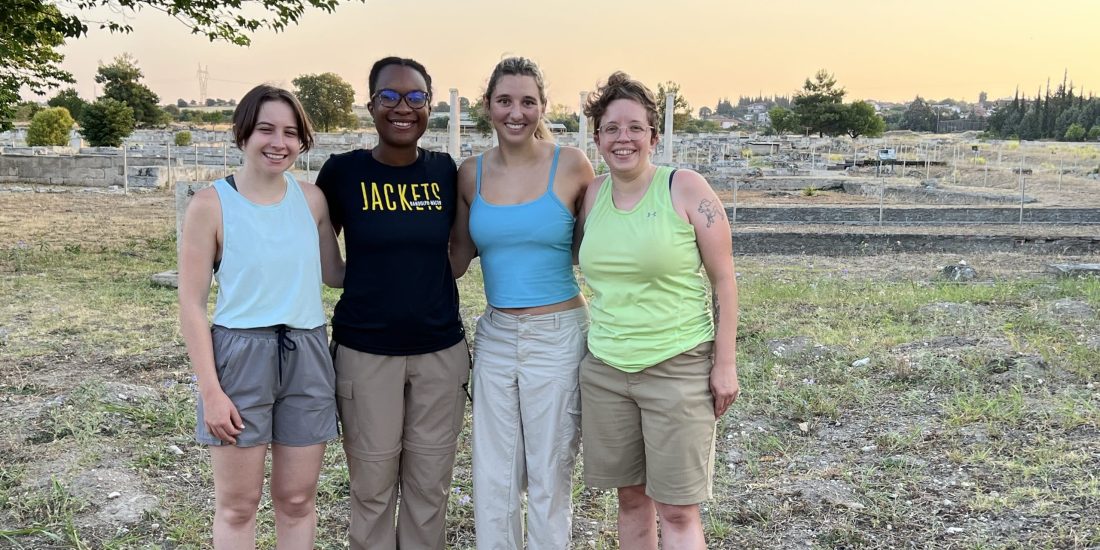
Archaeology Students Unearth Remnants of Hellenistic Period at Pella Dig
Four RMC students joined Dr. Nadhira Hill ’16 for six weeks of archaeological excavation at the birthplace of Alexander the Great.
More to explore 55+ areas of study to discover at RMC

Get Ready Discover Archaeology at RMC.
Take the first step toward your Archaeology Degree by contacting us.
Loading…
Frequently Asked Questions: Archaeology
What do archaeologists do? What career paths can I pursue with a degree in archaeology?
Archaeologists’ study of past human cultures often involves excavating historical sites, cataloging their discoveries, and interpreting their findings to understand cultural developments and human interactions with their environments.
Archaeology isn’t limited to fieldwork, however. Archaeologists also analyze their findings in labs, publish research, and contribute to heritage preservation efforts. Many careers in government, museums, historic sites, and parks involve managing collections, education initiatives, and other programs. Many of today’s archaeologists work in CRM (cultural resource management) firms, executing research related to federal historic preservation laws. Responsibilities within CRM organizations may include:
- Project and staff management
- Directing archaeological field and lab work
- Report writing and sharing research
- Public education and outreach
What degree do you need for archaeology?
Most archaeology positions require a minimum of a bachelor’s degree in archaeology or a related field (specifically anthropology). Individuals wishing to join the Register of Professional Archaeologists must, at minimum, demonstrate that they are pursuing or have achieved a bachelor’s in Archaeology or similar field from an accredited institution.
RMC is the only school in Virginia that offers a bachelor’s in Archaeological Studies! Our Bachelor of Arts program includes 31+ hours of required coursework in addition to the collegiate requirements that are compulsory for all RMC graduates.
Many archaeologists also gain practical experience through internships, field schools, and volunteer opportunities to develop skills in excavation and artifact analysis. RMC supports our aspiring archaeologists by providing research and study abroad opportunities, as well as extensive internship and career advising services through our nationally ranked career services.
Archaeology vs Archeology: Which is the correct spelling?
Both spellings are correct. At Randolph-Macon College, we use “archaeology.”