


5 Things to Know About RMC PA
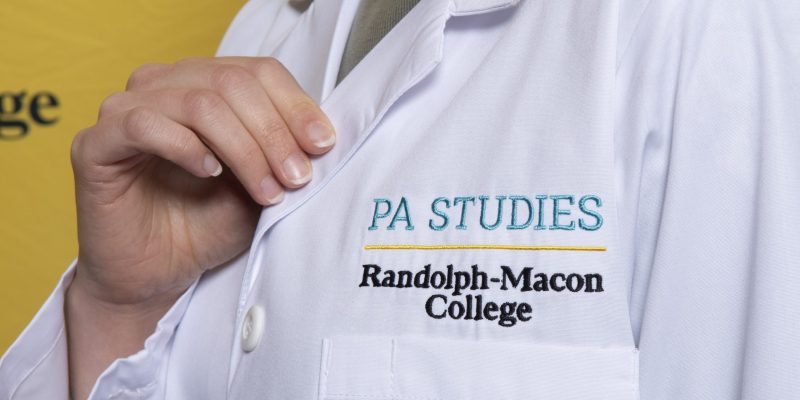
Thinking about a career as a Physician Assistant? There are a lot of opinions out there, but not all programs are built the same. To give you a closer look at what sets us apart, here are 5 things to know about RMC PA.
Small Class Size
While many PA programs enroll 50 or more students per cohort, RMC PA’s maximum cohort size is just 40. Not only does this facilitate a close-knit and supportive learning environment, but it also means more one-on-one attention from professors, easier access to hands-on experiences, and plenty of opportunities to take on impressive leadership roles—some examples include: serving as a Virginia Academy of PAs (VAPA) State Chapter Student Representative, an American Academy of PAs (AAPA) Student Academy Representative, or even holding an officer role in the RMC PA Student Society!
Problem-Based Learning
Problem-based learning is one of the many ways our students engage with their course material throughout the program. Rather than relying on lectures alone, you will work in small groups to solve complex patient cases. You and your peers might evaluate a middle-aged man with chest pain, investigate the cause of a young woman’s persistent fatigue, or piece together symptoms to better understand chronic conditions like COPD.
This hands-on, case-based approach will push you to ask the right questions, identify gaps in your knowledge, and build on the perspectives of your classmates. Over time, you’ll develop the diagnostic mindset, patient-centered approach, and collaborative skills that will prepare you to deliver the highest quality care.
Faculty Mentorship
With a student-to-faculty ratio of 7:1, our PA students receive a level of personalized mentorship that’s difficult to find in larger programs. Our faculty will take time to understand how you think, what your strengths are, and where you might need the extra support. So whether you’re working through a challenging assignment, preparing for clinical rotations, or exploring your options after graduation—you’re guaranteed access to expert guidance that’s tailored to fit you and your goals.
Diverse Clinical Rotations and Community Partnerships
Our students complete six core rotations (behavioral medicine, emergency medicine, family medicine, internal medicine, pediatrics, surgery, or women’s health) at a variety of clinical sites in Ashland, Richmond, and beyond. Our partnerships with hospitals and clinics like Bon Secours, HSA, VCU Health, and local practices offer the opportunity to work with diverse patient populations in a wide range of healthcare settings!
Pre-Accreditation
We are often asked about what it means to be “accreditation-provisional.” Randolph-Macon’s PA program launched in January 2023, and has been working toward our accreditation ever since. Our status of accreditation-provisional means that Randolph-Macon’s program is making progress toward this accreditation – or in the words of ARC-PA ”appears to demonstrate continued progress in complying with the Standards as it prepares for the graduation of the first class (cohort) of students.” Our program has undergone several reviews already, and will undergo more before being eligible for full accreditation, or “Accreditation–Continued,” in the words of ARC-PA.