






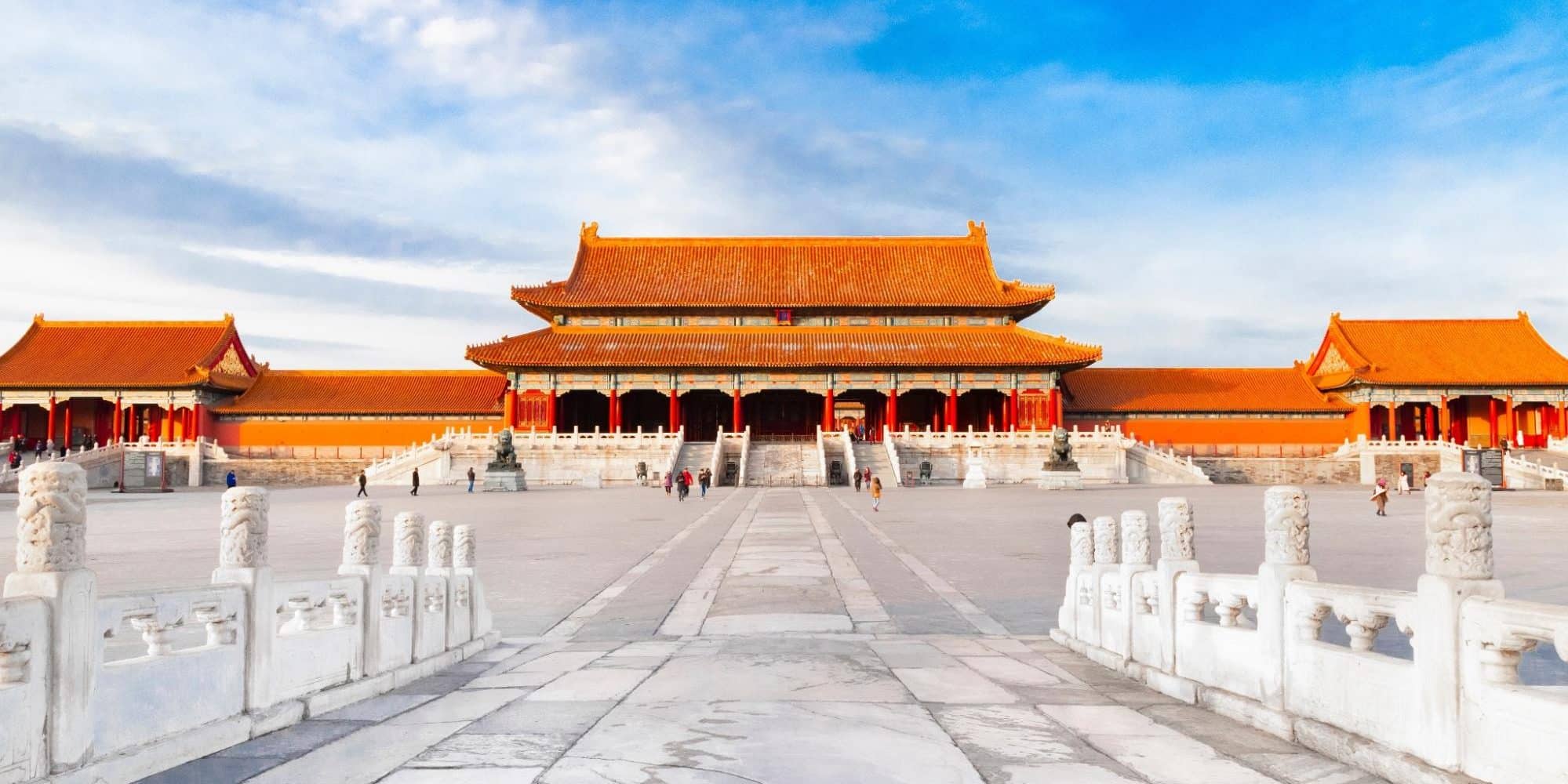
A focus on Chinese studies, as part of an Asian studies major or minor at RMC, means you’ll have a deep understanding of the second largest nation in the world. You’ll study Chinese language, and you’ll enhance that language learning with courses that bring to life the culture and history of both China and Asia more broadly. With a strong understanding of China as part of the Asian continent, you’ll graduate ready to connect east and west and pursue careers in education, international relations, government, business and communications.
Area of Study Chinese Studies
chinese up close In and Beyond the Classroom
global education
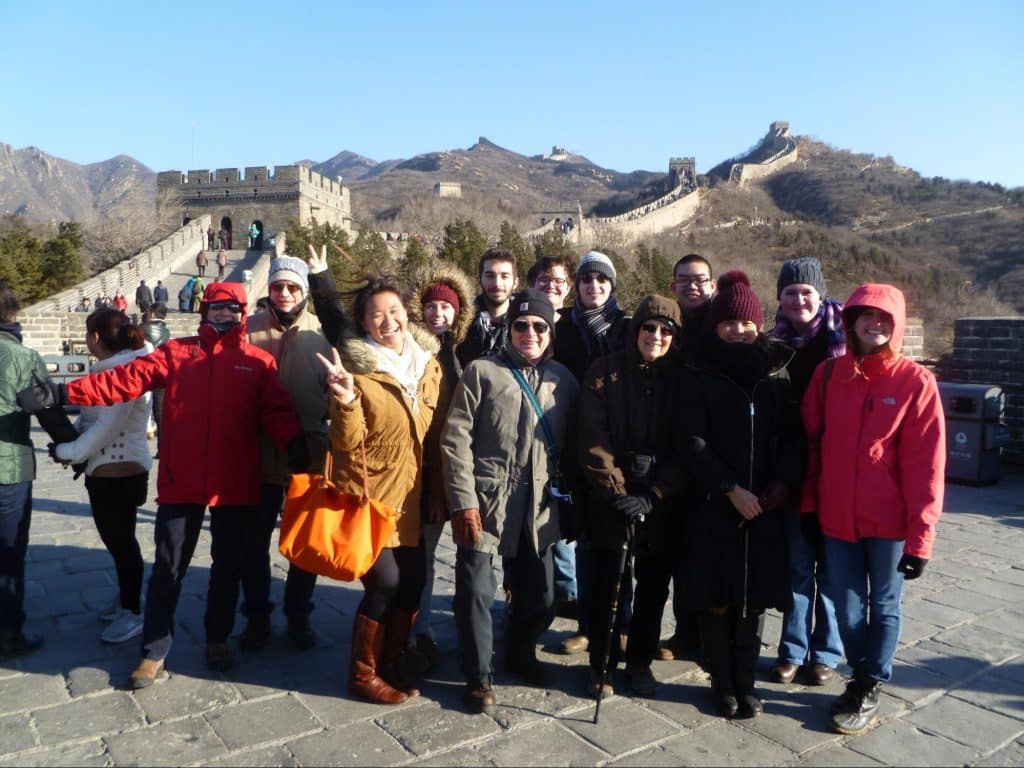
Asian studies at RMC is a global experience, and faculty will encourage you to study abroad in China and Taiwan to embrace your immersive study of the region. Many students choose a semester or year abroad at international universities like Shanghai University and Providence University (Taiwan), but many others enjoy faculty-led travel programs, like Visual Culture of Taiwan in 2024 (CHIN 281). The J-term study-travel course will examine architecture, art, and religion with an eye toward the island’s indigenous history and the impact of colonialism, migration, and indigenization on Taiwan.
hands-on research
Expand your knowledge further through independent study research guided by an Asian studies faculty mentor. Working with faculty mentor Dr. Laura Jo-Han Wen, students have conducted original research that not only adds to their understanding of Chinese language, culture and history, but better equips them for future career and graduate school opportunities:
- Elani Halstead, “Taiwan’s Fusion Fashion” (January 2024)
- Riley Cole, “Social Media as Activism: Taiwan’s Sunflower Movement (Spring 2024)
- Alex Kraft, “The Effects of Covid-19 Pandemic on the Asian American Community” (Spring 2021)
- McKenzie Hynson, “Public Perception of Air Pollution in Beijing” (Fall 2021)
advising and mentorship
The Randolph-Macon Asian studies department stands out among small liberal arts colleges for the breadth of its curriculum and the renowned expertise of its faculty fields such as history, literature, religion, culture, and archaeology. Our intimate program is well-suited for students pursuing Chinese study to work closely with faculty to identify and pursue their goals.
-
3,000+ yearsAge of Chinese writing, the oldest continuously used system in the world
-
12animals are associated with each year in the Chinese lunar calendar
-
1.3Bpeople in the world who speak Chinese

chinese in full Courses You Won’t Want to Miss
(A very small sample)
CHIN 281
ARCHAEOLOGY of CHINA
Learn about major archaeological breakthroughs that help reveal early China and explore 20th century discoveries within their various historical contexts. Learn to observe and analyze the material objects in academic language and identify their cultural significance. By examining various artifacts from 5000 B.C. to the 19th century, such as oracle bones, ritual bronzeware, Buddhist murals, and enameled porcelain, this course will guide you through a tangible past that is discovered by, but also strongly influences, modern China.
CHIN 236
Chinese Popular Culture
Explore Chinese popular culture from the late 19th century to the present, from mainland China to other Chinese communities including Hong Kong, Taiwan, and beyond. Study Chinese culture, identity politics, and globalization through popular literature, film, television, sports, and the internet.
CHIN 181
Chinese FOOD CULTURE
What can Chinese food tell us about individuals, communities, and cultural flows across time and space? What meanings do people attach to food, and what do these meanings reveal? To understand China, one must understand Chinese food. Examine food and food culture of China through literature, history, material culture, and other media across time, searching for the food connection between premodern and contemporary China. And of course, through tasting and cooking real Chinese food!
More to explore 55+ areas of study to discover at RMC


Get Ready Discover Chinese at RMC.
Loading…