






Randolph-Macon College has benefitted from the leadership of these past college presidents.
Past College Presidents
Rev. Stephen Olin, 1834-1836
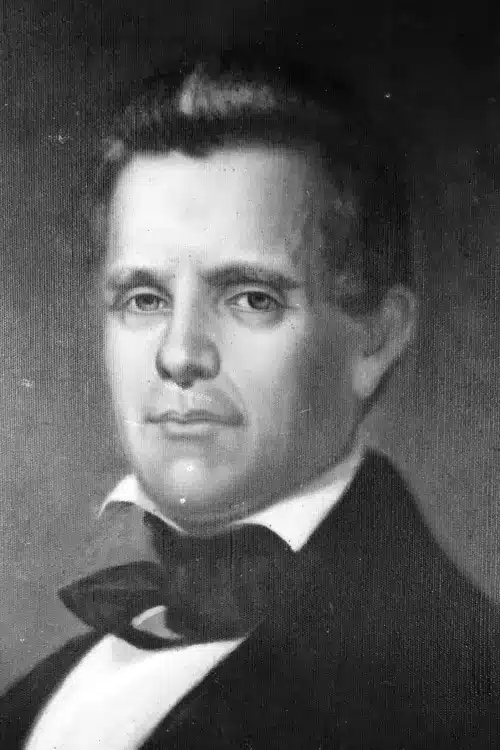
A native of Vermont and a graduate of Middlebury College, Rev. Olin was a prominent Methodist minister and educator. Elected the first president of Randolph-Macon College in 1832, Olin did not arrive in Boydton until 1834 to take his office, primarily due to ill health, which also contributed to his short tenure. However, Olin’s commitment to a classical education would shape the College’s curriculum for decades.
Dr. Landon C. Garland, 1836-1846

Landon Garland, Professor of Natural Philosophy at RMC 1832-1836, became Acting President in 1836 and served in that role until 1839, when his presidency became permanent. Although a law school was added in 1842, Dr. Garland’s tenure coincided with national economic crises which led to financial issues for the school. He resigned in 1846 and continued his teaching and educational leadership career elsewhere.
Rev. William A. Smith (Dr.), 1846-1866
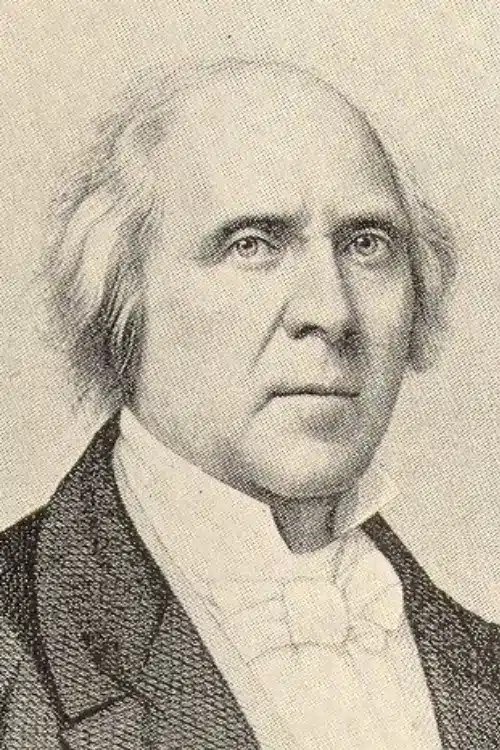
Rev. Dr. William A. Smith, a prominent Virginia preacher, became President in 1846 and shepherded the school through a period of expansion and stability prior to the Civil War, and then through the war years. At the beginning of the Civil War as students left for the military, Smith received a commission in the Confederate Army and converted RMC to a military curriculum, but by February of 1863 the school closed until the fall of 1865. President Smith resigned in 1866 and returned to the ministry in Missouri, ending his career as President of Central Methodist University.
Col. Thomas C. Johnson, 1866-1868

Thomas Carter Johnson was an 1842 alumnus of the College. After careers as a teacher, lawyer, legislator, and businessman, Johnson was elected President of RMC in 1866 and charged with fundraising to ensure the survival of the college. He oversaw the plans to move the College from Boydton to Ashland before resigning, along with the entire faculty. He tragically died shortly after resigning his presidency in a railroad accident while enroute from RMC to St. Louis in August 1868.
Rev. James A. Duncan, 1868-1877
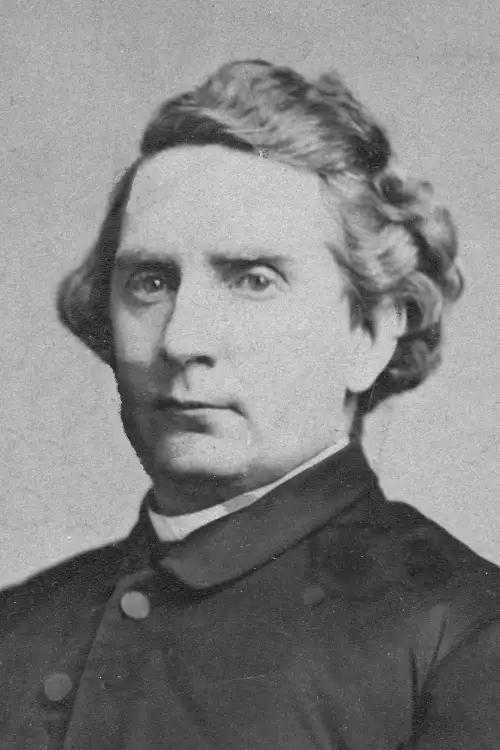
Son of RMC Professor of Greek Language and Literature David Duncan, Rev. James A. Duncan received his A.B. from RMC in 1849 and his A.M. in 1852. He then served as a minister in several churches and for several years held the influential position of editor of the Methodist newspaper in Virginia, the Richmond Christian Advocate. He was selected to be RMC’s first president in Ashland in 1868. Under Rev. Duncan, the College settled on its current site with an entirely new faculty, new subjects of study were added, and student enrollment increased to levels greater than in the Boydton era.
Rev. W.W. Bennett, 1877-1886

Rev. W. W. Bennett, who received an honorary Doctorate of Divinity from RMC in 1867, was a Trustee of the College when he was chosen as RMC’s President in 1877. He had served as a minister, as a chaplain during the Civil War, and then as editor of the Richmond Christian Advocate. During his tenure, the College was able to retire the debt it had carried since the Civil War.
Dr. William Waugh Smith, 1886-1897
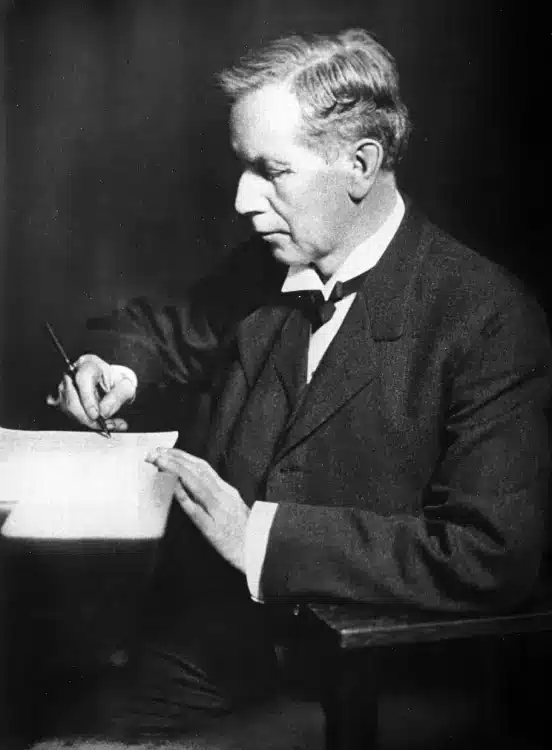
Dr. Smith received his degree from RMC in 1871 after having served in the Confederate military and then as a journalist for the Richmond Enquirer. He came to RMC in 1877 as a professor (first of Moral Philosophy and then of Greek and Latin). Under his tenure as president, the College saw significant growth and the development of the Randolph-Macon System of educational institutions, including two preparatory schools, the Randolph-Macon Academy at Bedford and the Randolph-Macon Academy at Front Royal, and the Randolph-Macon Woman’s College (now Randolph College) in Lynchburg. He left RMC to become president of the Woman’s College and Chancellor of the Randolph-Macon System from 1897 until his death in 1912.
Dr. John A. Kern, 1897-1899

Kern was a minister for nearly 20 years for before coming to RMC in 1886 as Professor of Moral Philosophy and Biblical Literature. From 1893-1897, he served as the College’s first Vice President in addition to teaching. Kern was the last RMC President to teach in addition to his administrative duties. Kern left RMC in 1899 to join the faculty of Vanderbilt University, but returned as faculty from 1914 through 1922.
Dr. W.G. StarR, 1899-1902
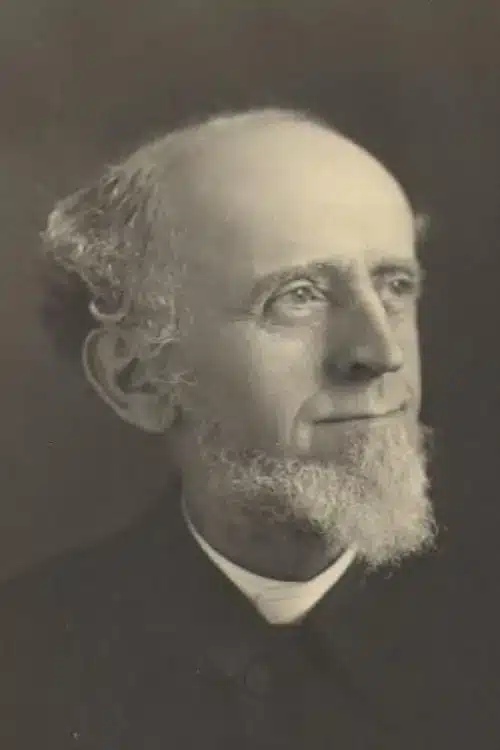
An 1859 graduate of RMC, Starr was President of Marengo Military Institute in Alabama when the Civil War began. He became a chaplain in the Confederate Army and after the war served as a minister in Virginia before becoming President of Wesleyan Female College in North Carolina. He was elected President of RMC in 1899, serving three years before resigning due to ill health.
Dr. Robert Emory Blackwell, 1902-1938

An 1874 A.M. graduate of RMC, Dr. Blackwell famously arrived at RMC in 1868 at the age of 13 in a railroad handcart to become part of the first class in the College’s current location in Ashland. He remained tied to the College from then on, serving as an instructor while he completed his A.M. degree, before returning from study overseas in Leipzig to join the RMC faculty officially in 1876, teaching English and Modern Languages. After serving as Vice President and Acting President, Dr. Blackwell was elected President in 1903, a role he held until his death in 1938. Much beloved on campus and in the community, Dr. Blackwell oversaw a period of tremendous growth and change at the College and brought the College through WWI and the Great Depression. He was active in church and social causes and served as the first President of the Virginia Commission on Interracial Cooperation. Upon Blackwell’s death in 1938, Dr. S.C. Hatcher served as Acting President until 1939.
Dr. J. Earl Moreland, 1939-1967
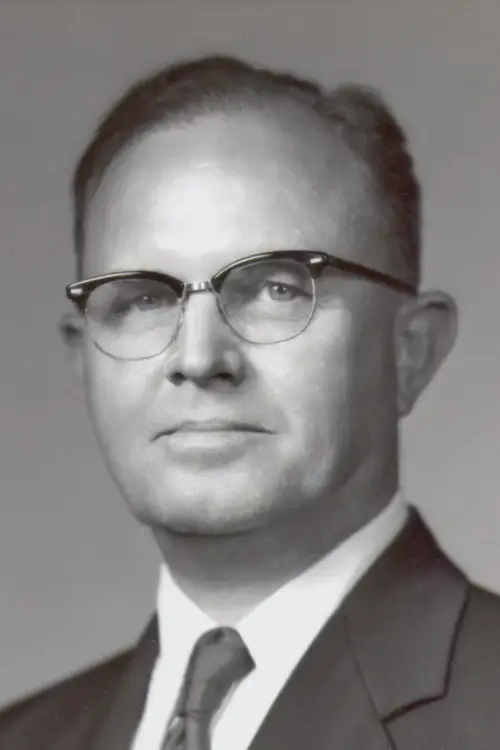
A native of Texas, Dr. Moreland came to RMC after serving several years as a Methodist missionary and educator in Brazil, and then as Vice President of Scarritt College for Christian Workers in Nashville. He successfully kept RMC open through WWII and oversaw growth in the enrollment as well as the campus footprint. Additions included the new library and an auditorium, and the curriculum was expanded too. The student body was integrated under Dr. Moreland in 1966. He retired in 1967, remaining active in Methodist and community affairs until his death.
Luther W. White, III, 1967-1979
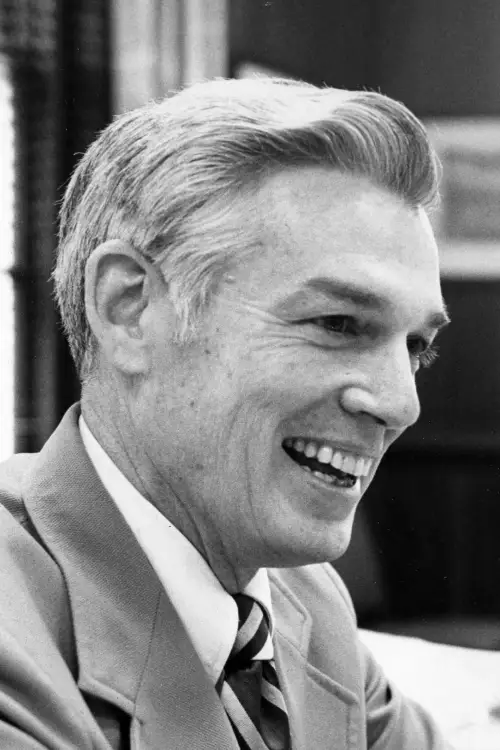
Luther White graduated from RMC in 1947, returning to complete his education after his college years had been interrupted in 1943 by his service in the U.S. Navy during World War II. Mr. White was a prominent attorney when he was elected President of the College. Mr. White’s presidency coincided with an era of significant social change and in 1971 he oversaw RMC’s transition from a men’s college to a residential co-educational institution. RMC’s first campus center for students, the Brown Campus Center, was constructed during his tenure. He left RMC in 1979 to assume the presidency at Kentucky Wesleyan College. Mr. White died in 2016.
Dr. C. Ladell Payne, 1979-1997

A native of Alabama, Dr. Payne came to RMC in 1979 from Claremont Men’s College (now Claremont McKenna), where he was a member of the English faculty and assistant to the president. During Dr. Payne’s administration, the College acquired several additional properties and built or renovated others. The endowment of the College grew substantially, and enrollment grew to over 1,100.
Dr. Roger H. Martin, 1997-2006

Dr. Martin came to RMC from the presidency of Moravian College in Bethlehem, Pennsylvania. Several dormitories were renovated and the Brock Center was built, and the College’s endowment doubled. In the fall of 2004, Dr. Martin spent a sabbatical as a 61-year-old freshman student at St. John’s College in Annapolis; his experience culminated in a 2008 book, Racing Odysseus: A College President Becomes a Freshman Again. After his retirement in 2006, he became an educational consultant.
Robert R. Lindgren, 2006-2025
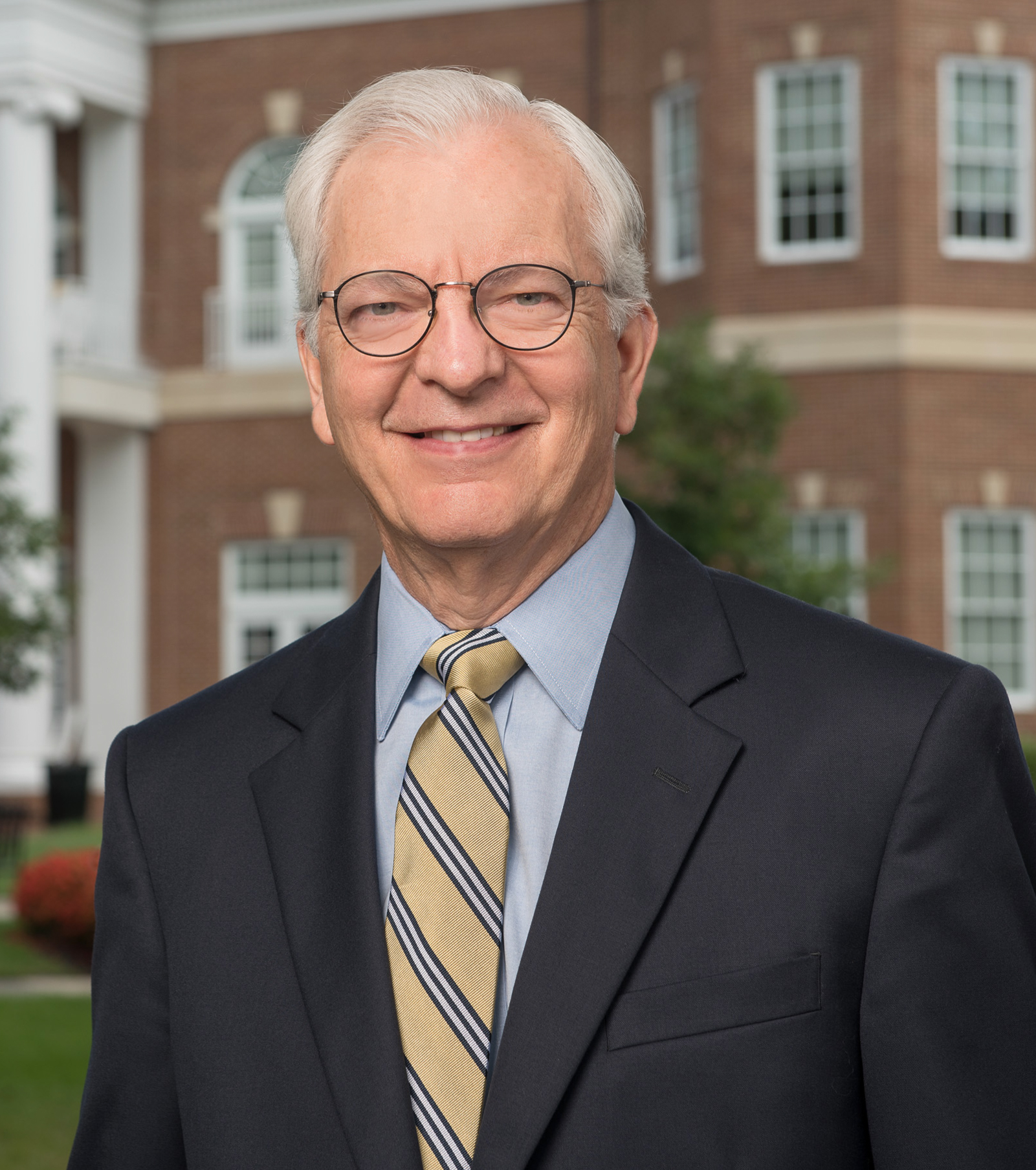
President Emeritus Robert R. Lindgren joined Randolph-Macon after serving as a chief development officer at the Johns Hopkins Institutions, and before that, the University of Florida. During his nearly 20-year tenure at RMC, Lindgren is credited with 17 new or renovated buildings, 15 new academic programs, and success in engaging alumni and friends of the College in more than $250 million in fundraising. Both enrollment and the College’s endowment doubled during his tenure.