






As a biology major or minor at RMC, you’ll study living organisms in a program uniquely structured to get you up-close to modern research techniques, state-of-the-art equipment, and hands-on opportunities that will ensure you’re ready for your career. Under the tutelage of celebrated faculty mentors, you’ll learn techniques like tissue culture of cancerous cells and creating plant DNA mutations using CRISPR, and partner with classmates in small classes rich with active learning. You’ll graduate ready to successfully pursue medicine, climate science, research, health sciences, and other related fields.
Major/Minor Biology
biology up close In and Beyond the Classroom

Hands-on Research
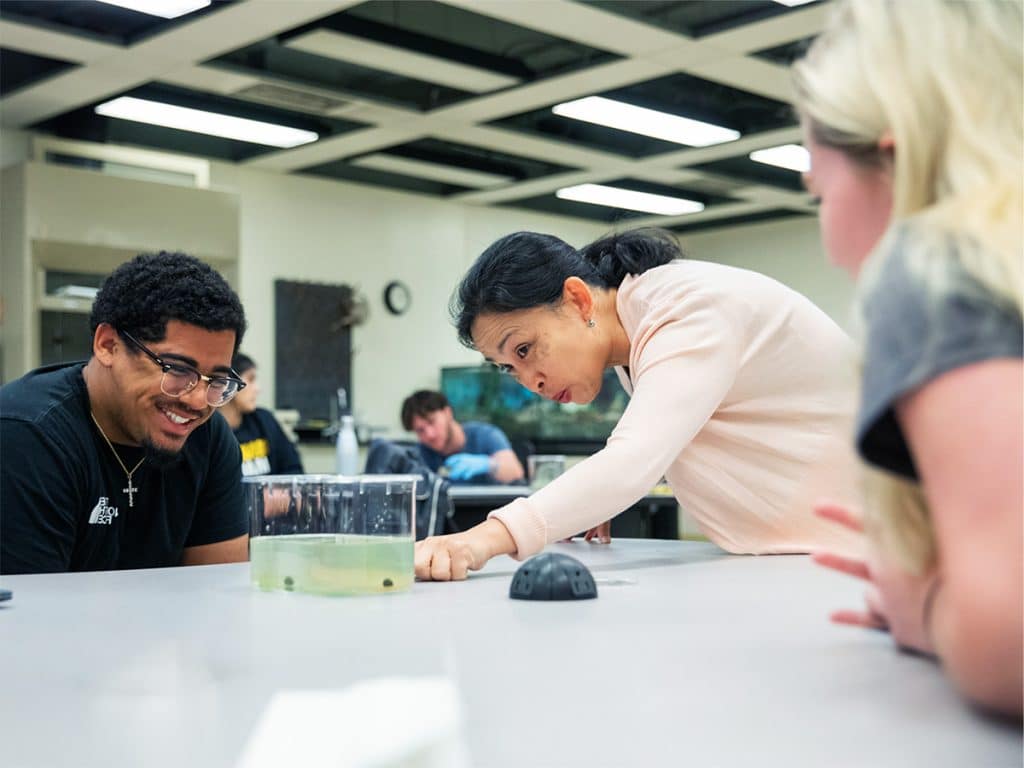
Instead of memorizing a general biology textbook, your first semester is spent in a small, studio-format classroom, developing the values, habits, and practices of a scientist. You’ll learn about a topic and then design and run your experiment to answer a question related to that topic. And that’s just the beginning of hands-on experiences in class.
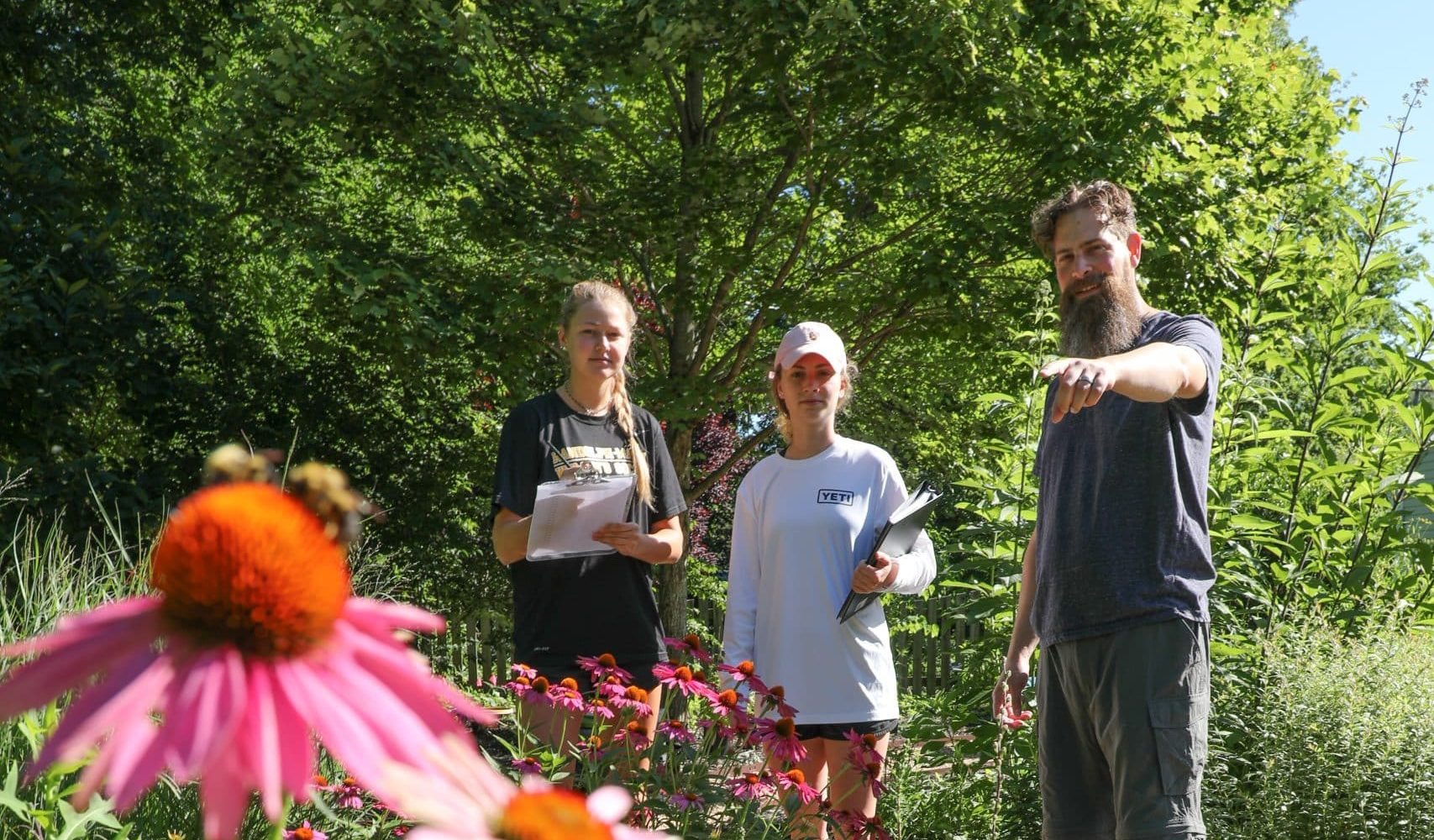
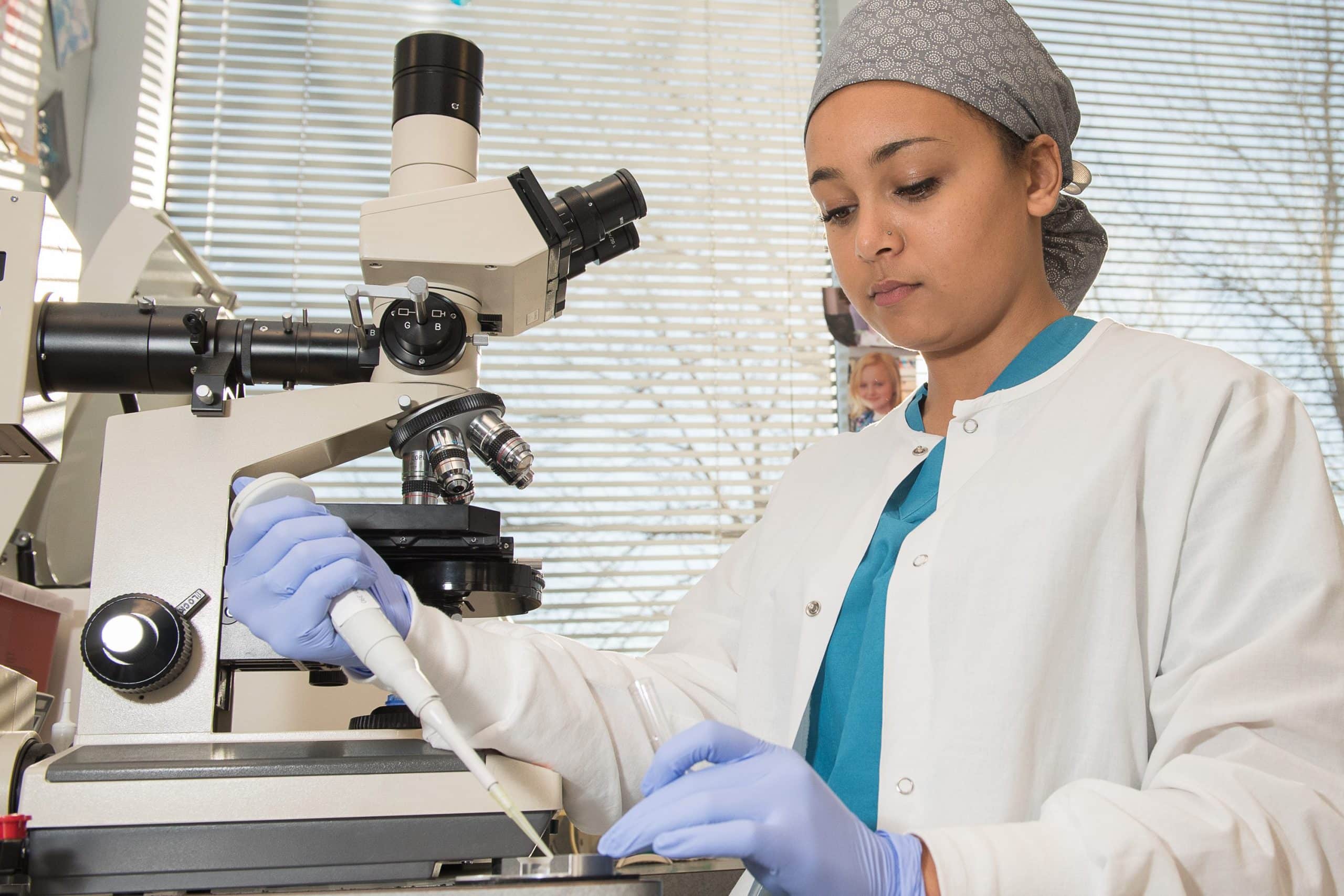
In our field-based courses, you will go into the woods, on lakes, and in streams to collect biological data. In microbiology, you’ll perform qPCR experiments on simulated COVID specimens and learn how to analyze raw data to come up with a diagnostic result.
But what makes biology at RMC even better is the chance to contribute to research in the field. Recent biology undergraduate research projects, guided by faculty mentors, have been funded by the National Science Foundation, the National Geographic Society and RMC’s Shapiro Undergraduate Research Fellowship (SURF).
Facilities
Our science labs are repeatedly ranked by Princeton Review as among the best in the nation.
- Eight teaching labs, 12 research labs
- Molecular biology equipment including thermal cyclers, gel photo documentation equipment, quantitative PCR instrument
- Cellular biology equipment including, scanning and transmission electron microscopes, flow cytometer, tissue culture facilities
- Confocal microscope
- High-end digital camera system to track fish behavior
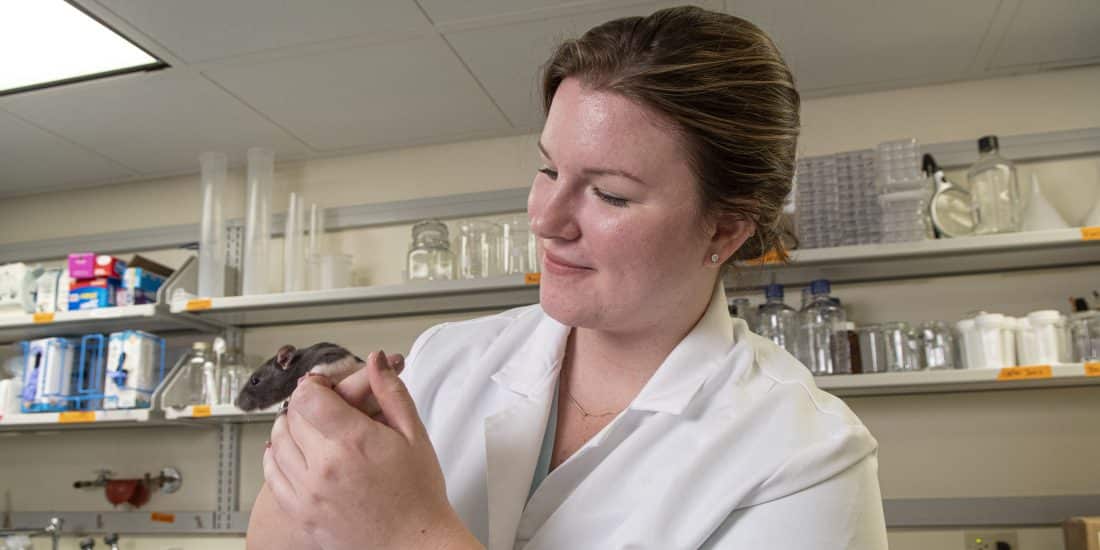
- Mouse facility and anesthesia chamber
- Environmental chambers, autoclave
- Dedicated forested field site for ecological research
- Preserved plant and animal specimens
- Botanical facilities including a greenhouse and native plant garden
HIGH-IMPACT INTERNSHIPS
RMC faculty and staff often go the extra mile to connect students to real-world opportunities to explore their path. RMC internships include a variety of options that reflect the many career opportunities in the field of biology. RMC students have interned at:
- Chickahominy Department of Health
- Bon Secours Memorial Regional Hospital
- Pivot Physical Therapy
- Shalom Farms
- Dr. Louis Korpics Dental Office
- VA Department of Wildlife Resources
global education
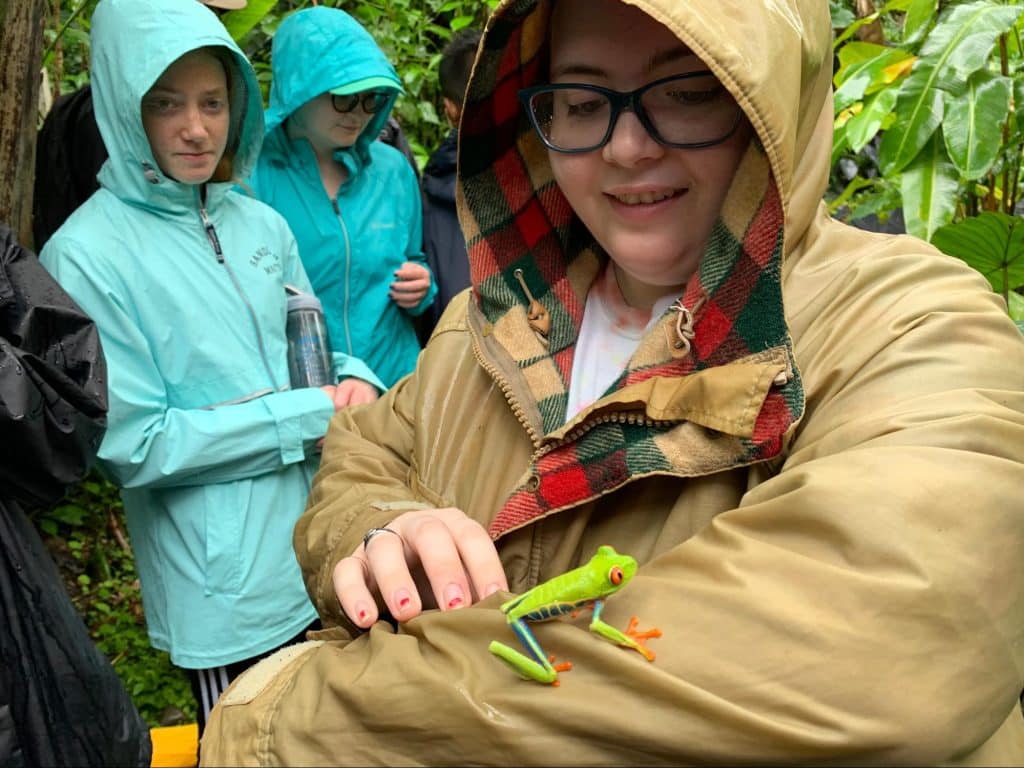
Biology happens everywhere. As part of our Tropical Biodiversity course, you’ll embark on an international journey with fellow students and biology faculty to explore jungle ecosystems, dive through coastal reefs, and encounter native flora and fauna. Most recently, the course took place in Costa Rica where students hiked a volcano, toured a rainforest, and observed a jungle-based scientific research station up close.
advising and mentorship
RMC biology faculty truly care about your success and devote enormous time and attention to advising and mentoring you with independent research projects, exciting internships, and extensive advising to help you create a path to your future career.
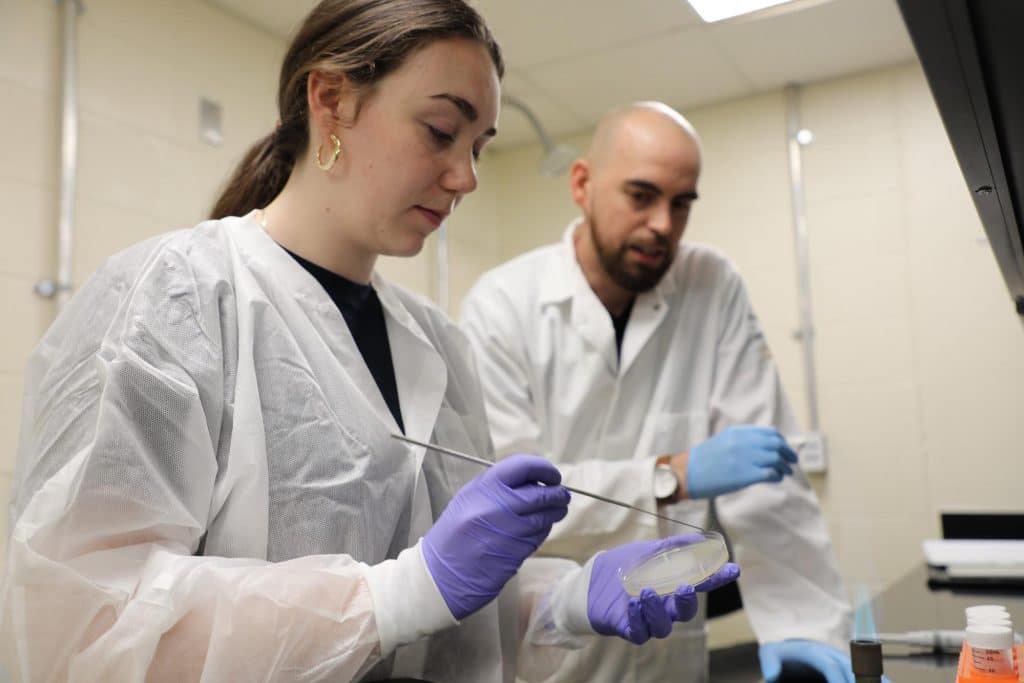
Considering a career in healthcare?
Are you considering medical school or another career in healthcare? Connect with Josh Quinn, Director of Health Careers and Professional Development, to develop a customized pre-med or pre-health pathway and make the most of your time at RMC!
-
66acre forested field station, just a short drive from campus
-
12research labs
-
#13“Best Science Facilities” (Princeton Review 2025)
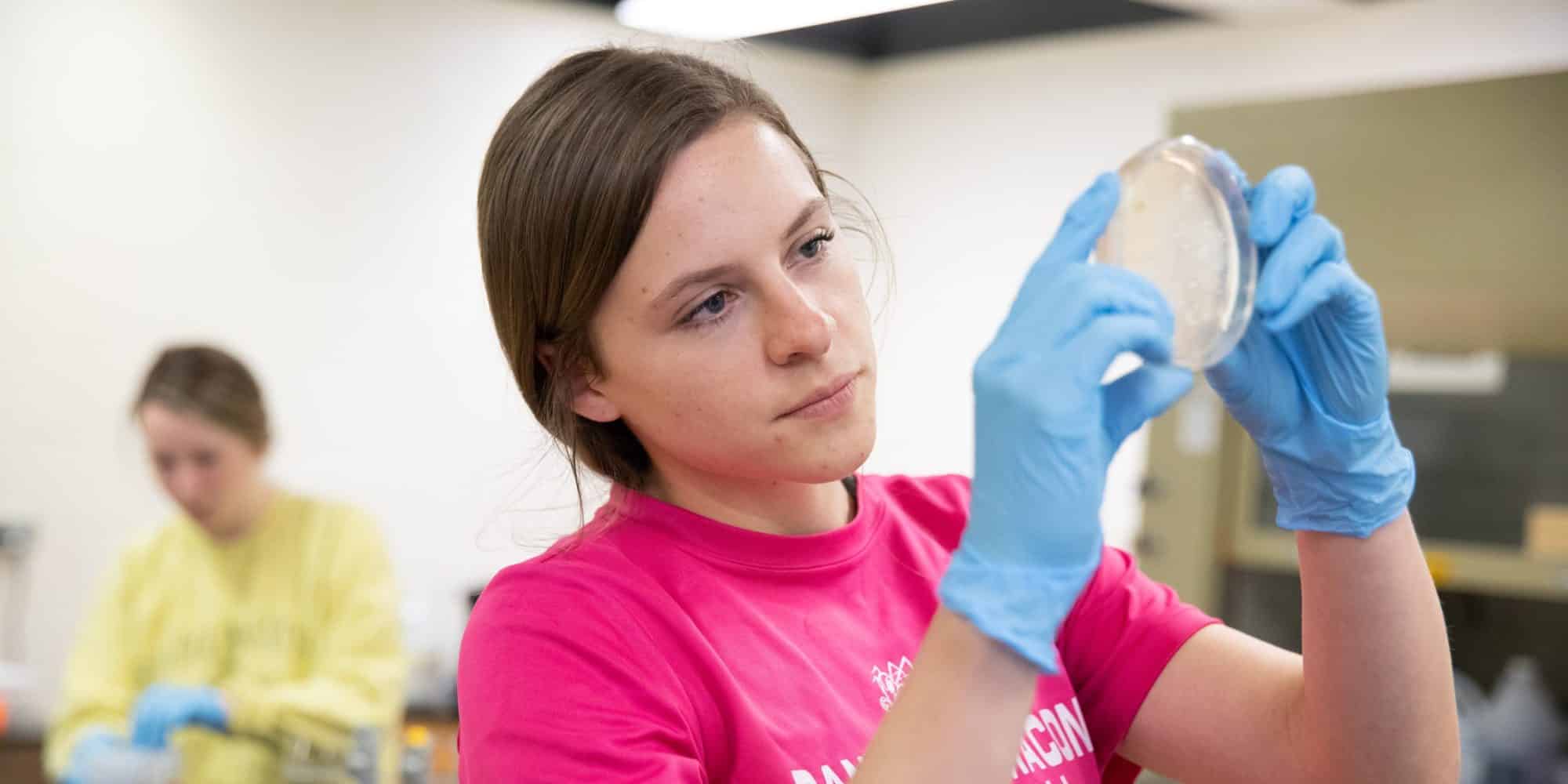
biology in full Courses You Won’t Want to Miss
(A very small sample)
BIOL 200
Genetics
Using CRISPR-Cas9, the groundbreaking new gene editing tool that allows scientists to modify DNA in living systems, you complete a CRISPR-Cas9-based research project where you apply the technology to better understand gene functions.
BIOL 463
Cellular & Molecular Neurobiology
Study the molecular and cellular underpinnings of the nervous system and learn about intracellular transport, synaptic mechanisms, and growth factor influences on development and regeneration, neuronal stem cells, and sensory signal transduction.
BIOL 340
Ecological Simulation
Explore the complexity and mystery of ecological systems through hands-on computer simulation, a new and critical tool for modern biologists for studying the interactions between variables in complex systems.
Opportunities Worth Grabbing
Popular activities and programs among biology majors
Pre-health Society
A student-run group that brings together students and alums to learn more about medical career options, the application process for professional schools, and opportunities to gain medical experience.
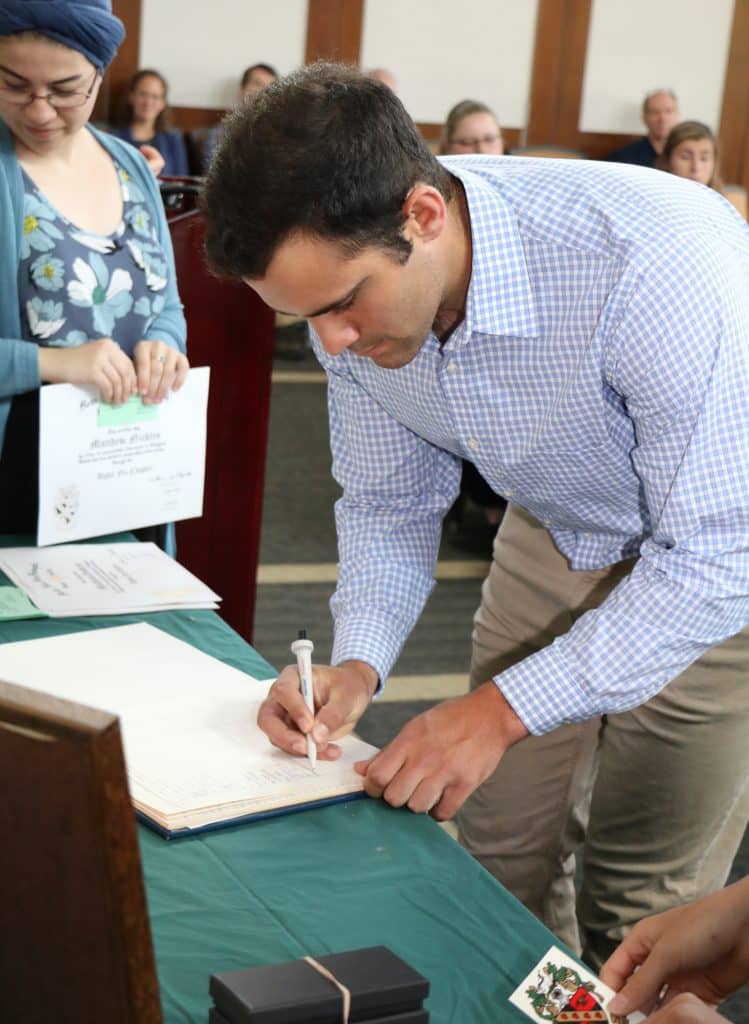
beta beta beta national biological fraternity
Top students are inducted into this national honor society for biology studies.
Foster/Gowan Scholarship in Biology
Given annually to a student demonstrating excellence in biology research
watts scholarship in biology
Given annually to a student in biology
william neal cunningham memorial scholarship
Awarded annually to a student pursuing non-medical biology
From Here To What you can do with a Biology degree from RMC.

Kethelyne BeauvaiS ’15 M.D.
Family Physician M.D.
Primary Care Physician with Genesis Primary Care
“…I am forever grateful for the foundation I developed at RMC. I could have done my undergraduate pre-med studies anywhere, but I am glad I did it at an institution that emphasized graduating genuine, well-rounded critical thinkers who are equipped with the tools to adapt in whatever career path they choose.”
Erica Horseman Tharrington ’11
Clinical Research Coordinator
University of Virginia Cystic Fibrosis Center
Melissa Evans ’14
Physician Assistant specializing in Podiatric Medicine
West End Foot and Ankle
Colin Brooker ’22
Student, Doctor of Physical Therapy Program
University of Lynchburg
Nana Dadzie ’21
Process Development Engineer
BioNTech US
Elise KnoblocH ’21
Associate Account Executive
Eastern Region at ARUP Laboratories
“The relationships that I was able to build with my professors at Randolph-Macon have shaped my young professional career. The time and effort that my professors invested in me both in and out of the classroom facilitated the development of the skills and interests that are now a part of my every-day life. I am so grateful for the ways being Randolph-Macon College graduate has benefited me while navigating professional life after college.”
buzzworthy The Latest From RMC Biology
News Story categories: Biology
Academics
Alumni Stories
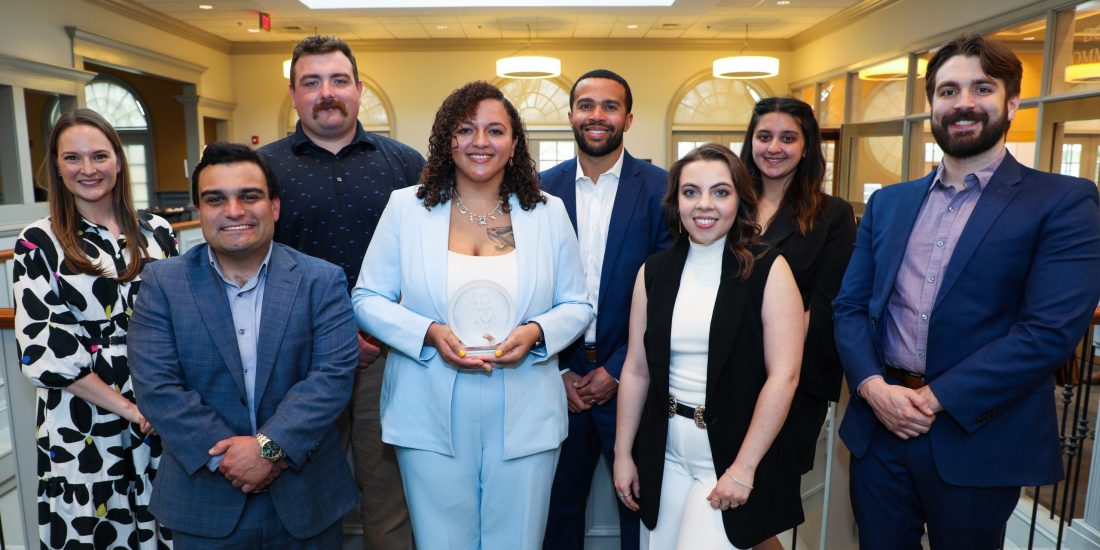
RMC Celebrates 2026 Class of 10 Under 10 Awardees
The 10 honorees, who all graduated in the last 10 years, have established themselves as pillars in their communities and leaders in their professions.
News Story categories: Biology
Academics
Career Preparation
RMC Establishes Priority Admissions Agreement with Christopher Newport Master of Environmental Science Program
When possible, RMC shall nominate one exceptional Biology or Environmental Studies student each year as a candidate for guaranteed acceptance into CNU’s MS-ENVS program.
News Story categories: Biology
Academics
Alumni Stories
RMC Alumnus Mentors Students on Pathways to Biomedical Science Careers
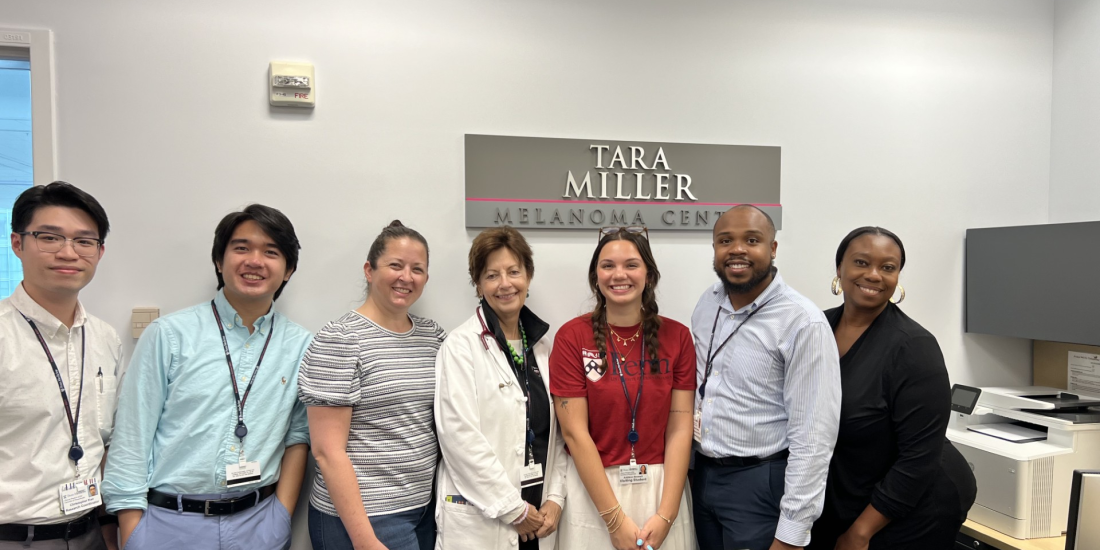
Ahron Flowers ’14 has hosted RMC students for internships at Penn Medicine’s Tara Miller Melanoma Center the past two summers.
More to explore 55+ areas of study to discover at RMC

Get Ready Discover Biology at RMC.
Loading…
Frequently Asked Questions: Biology
What can you do with a biology degree?
A major in biology prepares graduates for many career options in medicine, the sciences, and beyond. One of the most popular paths for biology graduates is medical school, and many pursue healthcare careers like nursing, dentistry, physical therapy, pharmacy, epidemiology, and medical science.
Biology majors are qualified for many career options due to having learned in-demand skills like lab/research competence, technical communication abilities, and quantitative/data analysis know-how. Keep reading for more information about careers in biology outside of healthcare.
What can I do with a biology degree besides medical school?
As outlined above, medical school and other healthcare careers are popular among biology graduates. However, the U.S. Bureau of Labor Statistics points out that nearly 65% of individuals with a biology degree work in other fields. Here are some other common career paths for biology majors:
- Biologists
- Lab technologists/technicians
- Veterinarians
- Zoologists
- Ecologists and environmental scientists
- Agricultural and food scientists
- Management
- Teaching (all levels)
What do biologists do?
The Princeton Review describes biologists as “students of the world, interested in learning from every facet of life.” With a focus on humans, animals, plants, and their environments, biologists spend much of their time dedicated to scientific research, often in a lab or office environment.
The day-to-day life of a biologist can vary greatly based on their chosen area of specialization. These include biochemistry, physiology, microbiology, genetics, immunology, and marine or wildlife biology, among others. Whether examining molecules under a microscope or trekking through a tropical rainforest, biologists seek to better understand life processes and interactions among living organisms.